
In an increasingly digital and interconnected world, the commercial value and significance of personal images have grown substantially.
Questions regarding who controls the use of a person’s image now arise routinely, particularly in the context of social media, digital content creation, and AI-generated likenesses.
This term refers to a collection of rights an individual holds over their personality, including their name, likeness, voice, and other uniquely identifiable characteristics.
Collectively known as image rights, these rights are intended to prevent unauthorised third parties from exploiting or commercially using an individual’s image without consent.
Unlike some jurisdictions, the United Kingdom does not currently recognise a standalone, statute-based form of image rights protection.
There is no codified or consolidated legislative framework governing the commercial use of a person’s image.
As a result, individuals seeking to prevent the unauthorised use of their image must rely on a combination of existing legal causes of action, such as passing off, data protection rights, misuse of private information, copyright, and contractual agreements, to protect their personal and commercial interests.
In this article, our Intellectual Property lawyers explore how image rights are protected under UK law and what the growing commercialisation of digital personas – including AI-generated “digital twins” – means for creators, brands, and businesses.
Influencer Impact
TikTok creator Khaby Lame, who rose to international prominence during the COVID-19 pandemic through his humorous, skit-style videos, has built a substantial global following and a commercially valuable personal brand.
Lame has recently sold his company, Step Distinctive Limited, which oversees the management of his brand, intellectual property, and commercial activities, to Rich Sparkle Holdings for a reported sum of USD $975 million.
According to a recent press release, Rich Sparkle Holdings anticipates that this partnership will generate approximately USD $4 billion in annual sales.
Despite the sale, Lame will continue to lead Step Distinctive Limited, maintaining strategic oversight of the company’s direction.
As part of the transaction, Rich Sparkle Holdings has also acquired the rights to Lame’s AI avatar, an “AI digital twin”, which enables authorised use of his likeness, voice, and behavioural characteristics to create multilingual and multi-format content.
The deal represents a significant development in the commercialisation of digital personas and will necessitate robust, carefully structured image rights protections to safeguard Khaby Lame’s brand, particularly with respect to the use and governance of his AI-generated likeness.

How are Image Rights protected in the UK?
Whilst there is no single, codified statute establishing image rights under UK law, there are various intellectual property and related legal mechanisms upon which individuals may rely to protect elements of their ‘image’:
Copyright
Copyright is a legal right that protects a photograph, video or artwork, rather than the likeness of the person depicted in the image itself. The photographer or creator of the images will usually own the copyright, rather than the person shown in the image.
In most cases, images can generally be protected under copyright, and anyone else wishing to use the image must obtain the copyright owner’s permission before doing so.
Passing Off
This is most commonly used by celebrities or well‑known personalities whose image has been used by a third party without their permission to endorse or advertise a product.
In order to succeed in a passing off claim, the individual making the claim must demonstrate that:
- They have a reputation or goodwill;
- A third party has used or intends to use their image in a way that is likely to lead to the public believe the product is endorsed by the individual; and
- The misrepresentation is likely to or has caused damage to the individual.
Trademarks
It is important to note that it is not always possible to protect images through trademark protection, as you cannot trademark a face. However, trademarks are a useful way to protect names, signatures, nicknames, and logos that identify or represent an individual.
Data Protection Law (UK GDPR & Data Protection Act 2018)
Photos and videos of identifiable people count as personal data. Individuals may be able to rely on this to prevent unauthorised publication of photographs or videos displaying their image.
Privacy/Misuse of Private Information
A claim can be brought if an image was taken in a private place or shows private activities and the publication would be a misuse of private information.
The Future of Image Rights in the Age of AI
By acquiring the rights to Lame’s AI digital twin, it will be essential to impose stringent controls governing the permitted uses of the AI avatar to prevent any unauthorised or inappropriate commercial exploitation.
As AI‑generated content becomes increasingly prevalent, the associated intellectual property landscape grows more complex, requiring that copyright, trade mark, and design rights be carefully registered, assigned, or licensed to ensure adequate protection.

Speak to Our Intellectual Property Lawyers
As the commercial use of digital personas and AI-generated likenesses continues to evolve, businesses, creators, and brands must ensure their intellectual property is properly protected.
Our Intellectual Property team advises clients on image rights, brand protection, influencer agreements, and digital content rights.
Latest Myerson Intellectual Property News

From TikTok to AI Digital Twins: Khaby Lame and the Future of Image Rights in the UK
In an increasingly digital and interconnected world, the commercial value and significance of personal images have grown substantially. Questions regarding who controls the use of a person’s image now arise routinely, particularly in the context of social media, digital content creation, and AI-generated likenesses. This term refers to a...
Read Blog
Research & Development Agreements: Key Legal and Commercial Issues
Research and Development (R&D) Agreements play a key role in enabling organisations to pool expertise and resources to develop new products or processes. Agreements of this nature are commonly used between commercial entities and academic institutions, and play a key role in establishing the funding models under which research takes place. With...
Read Blog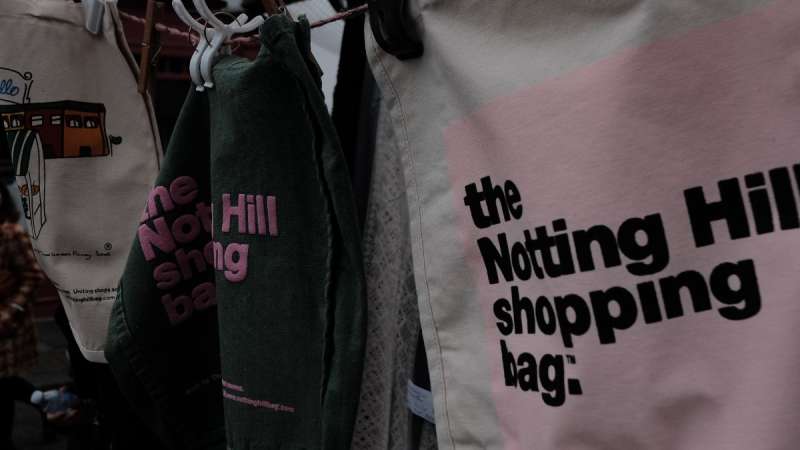
Bagging Rights Gone Wrong: The Notting Hill Tote Bag Trademark Dispute and IP Ownership Lessons
Courtenay-Smith and her company sued two brothers and their businesses, accusing them of trademark infringement, passing off, and copyright infringement related to the tote bag design she had launched in 2009. Our IP lawyers explore the case and the important IP ownership lessons it offers for brand-led businesses.
Read Blog![easyGroup Ltd v Easyfundraising Ltd [2025]: Trade Mark Infringement and Genuine Use Explained](/assets/Uploads/Case-Analysis_-easyGroup-Ltd-v-Easyfundraising-Ltd-2025__FillWzgwMCw0NTBd.jpg)
easyGroup Ltd v Easyfundraising Ltd [2025]: Trade Mark Infringement and Genuine Use Explained
In this case analysis, our Intellectual Property lawyers explain the Court of Appeal’s decision in easyGroup Ltd v Easyfundraising Ltd [2025] , which partially upheld easyGroup’s appeal against a High Court ruling that had dismissed several trade mark infringement claims and revoked certain trade marks in whole or in part.
Read Blog
AI Patent Law Shift on the Horizon? Latest Update on the Emotional Perception AI Case
Last month saw the Supreme Court hear the appeal of Emotional Perception AI Limited (‘EPAI’) concerning its attempt to patent its neural network-based system for recommending music files. In this blog, our Technology Lawyers explore the case.
Read Blog
David de Gea Successfully Defends DDG Trademark at General Court of the EU
In May 2025, the General Court of the European Union ( GCEU ) delivered its judgment following an appeal made by Schmidt Spiele GmbH ( Schmidt Spiele ). The appeal challenged a decision of the Second Board of Appeal of the European Union Intellectual Property Office ( EUIPO ), which rejected Schmidt Spiele’s opposition to the trademark filed by...
Read Blog