

In this case analysis, our Intellectual Property lawyers explain the Court of Appeal’s decision in easyGroup Ltd v Easyfundraising Ltd [2025], which partially upheld easyGroup’s appeal against a High Court ruling that had dismissed several trade mark infringement claims and revoked certain trade marks in whole or in part.
Background
easyGroup Ltd (Claimant) have developed and own a broad portfolio of ‘easy’ branded trademarks.
The Claimant brought a claim against easyfundraising Ltd (Defendant), a business that facilitates charitable donations via online websites, on the basis that they had infringed the trademark and also that the platform’s poor reputation might tarnish the “easy” brand.
The Defendant counterclaimed for revocation on the basis on non-use of some of the Claimant’s trademarks.
Initially, the High Court dismissed easyGroup’s claims of infringement, and the court partially upheld the Defendant's counterclaims for revocation of the following trademarks:
- EASYJET mark (restricting it to "retail services provided to airline passengers"); and
- wholly revoked the EASY.COM mark for lack of use.

The Appeal
On appeal, the Claimant relied on just four trade marks: the stylised "Easylife" mark and its word marks EASYLIFE, EASYJET and EASY.COM. The Claimant alleged that the Defendant had infringed those marks by using "easyfundraising", "easysearch", and "@easyuk".
It was argued by the Claimant that the High Court Judge had made four errors:
- First, that the variant signs altered the distinctive character of the “Easylife” stylised mark.
- Secondly, the partial revocation of the “Easylife” stylised mark and the EASYJET word mark.
- Thirdly, revoking the EASY.COM mark for non-use
- Fourthly, the finding that there was no likelihood of confusion and therefore, no infringement of the Claimant’s trade mark.

What Was Held?
The Court of Appeal found that the High Court judge had erred in revoking the EASYJET mark in part and the EASY.COM in its entirety. However, it was held that the High Court Judge had been correct to partially revoke the "Easylife" stylised mark.
The Appeal Judge held that the restriction of the EASYJET mark was wrong because EasyJet provided two sub-categories of retail services: those online and onboard an aircraft.
As such, it would be unlikely that an average consumer would think that retail services provided on board an aircraft were provided by the same as retail services in a shop.
The specification was amended to read "retail services connected with the sale of jewellery, watches, purses, wallets, pouches and handbags provided by means of an internet website or on board an aircraft".
The decision to revoke the EASY.COM mark for ‘non-use’ was set aside on appeal in circumstances where the Claimant provided an electronic mail service to customers under the “easy.com” sign.
It was decided that although this was a free service, it was considered ‘genuine use’ as receivers of the email would assume that they were receiving an email service and this was not purely promotional.
The Court of Appeal concluded that the difference in the services between the Claimant and the Defendant meant that there was no likelihood of confusion.

Key Takeaways
- Use of variant forms can still amount to genuine use.
- The test of genuine use is whether the use is sufficient to create or preserve a market share for the relevant goods or services under the trade mark, bearing in mind the nature of the goods or services and the fact that there is no de minimis
- The importance of precise drafting of trademark specifications, robust evidence of use of trademarks, and clear branding strategies.
Our Commercial Litigation team advises on trade mark protection and enforcement, including bringing and defending infringement claims. If your business or brand is facing similar challenges, please do get in touch with us today.

Contact Our Intellectual Property Team
Trade mark disputes can have significant commercial consequences if not handled correctly. Our Commercial Litigation team regularly advises businesses on protecting, enforcing and defending valuable trade mark rights. If you are concerned about trademark infringement or the strength of your existing registrations, please get in touch with our Intellectual Property Team today.
0161 941 4000
Latest Myerson Intellectual Property News

From TikTok to AI Digital Twins: Khaby Lame and the Future of Image Rights in the UK
In an increasingly digital and interconnected world, the commercial value and significance of personal images have grown substantially. Questions regarding who controls the use of a person’s image now arise routinely, particularly in the context of social media, digital content creation, and AI-generated likenesses. This term refers to a...
Read Blog
Research & Development Agreements: Key Legal and Commercial Issues
Research and Development (R&D) Agreements play a key role in enabling organisations to pool expertise and resources to develop new products or processes. Agreements of this nature are commonly used between commercial entities and academic institutions, and play a key role in establishing the funding models under which research takes place. With...
Read Blog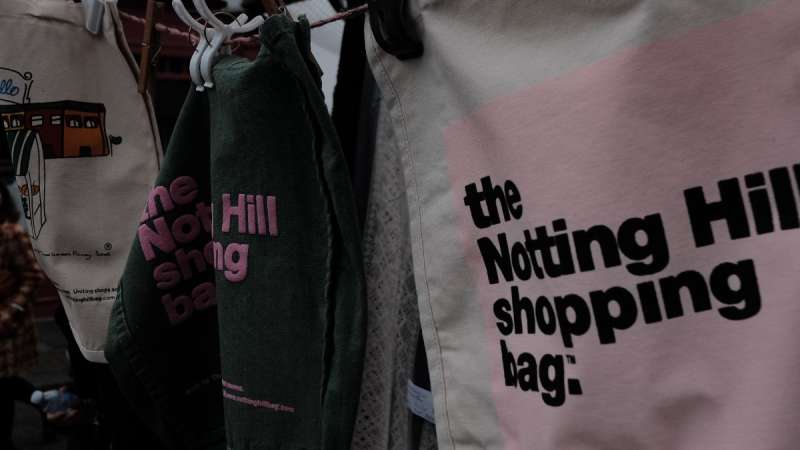
Bagging Rights Gone Wrong: The Notting Hill Tote Bag Trademark Dispute and IP Ownership Lessons
Courtenay-Smith and her company sued two brothers and their businesses, accusing them of trademark infringement, passing off, and copyright infringement related to the tote bag design she had launched in 2009. Our IP lawyers explore the case and the important IP ownership lessons it offers for brand-led businesses.
Read Blog
easyGroup Ltd v Easyfundraising Ltd [2025]: Trade Mark Infringement and Genuine Use Explained
In this case analysis, our Intellectual Property lawyers explain the Court of Appeal’s decision in easyGroup Ltd v Easyfundraising Ltd [2025] , which partially upheld easyGroup’s appeal against a High Court ruling that had dismissed several trade mark infringement claims and revoked certain trade marks in whole or in part.
Read Blog
AI Patent Law Shift on the Horizon? Latest Update on the Emotional Perception AI Case
Last month saw the Supreme Court hear the appeal of Emotional Perception AI Limited (‘EPAI’) concerning its attempt to patent its neural network-based system for recommending music files. In this blog, our Technology Lawyers explore the case.
Read Blog
David de Gea Successfully Defends DDG Trademark at General Court of the EU
In May 2025, the General Court of the European Union ( GCEU ) delivered its judgment following an appeal made by Schmidt Spiele GmbH ( Schmidt Spiele ). The appeal challenged a decision of the Second Board of Appeal of the European Union Intellectual Property Office ( EUIPO ), which rejected Schmidt Spiele’s opposition to the trademark filed by...
Read Blog