


Rachel Reeves has just delivered her second Budget since becoming Chancellor. However, the build-up to the statement was unusual this year. Many measures were announced in advance, and a large portion of the details were revealed early by accident when the Office for Budget Responsibility mistakenly published its forecast.
Despite the early release of information, the Chancellor took to the dispatch box to outline a plan on "rebuilding our economy" and offering "choices" rather than austerity.
Here is a look at the key announcements and what they might mean for you and your business.
Personal Taxation and Income
The Chancellor confirmed that income tax and National Insurance thresholds will be frozen for an extra three years beyond 2028. This is often described as a "fiscal drag" because it pulls more people into higher tax bands over time as their wages rise.
However, the basic rates of income tax, VAT, and National Insurance will not go up.
For investors and savers, there are some significant changes. The basic and higher income tax rates on property, savings, and dividend income are set to increase by 2 percentage points.
Assessing the immediate impact on the buy-to-let market, Joanne Perritt, Head of Myerson's Commercial Property Team said:
“Landlords also faced further bad news with the announcement of an increase on the rate of income tax of 2%. This is likely to have a continued knock-on effect on the rental market, increasing rents and encouraging landlords to dispose of properties, leading to fewer properties being available for tenants.
The change only applies to landlords who hold property in their personal names, so we are likely to see an increased number of property businesses looking to incorporate over the coming months, though this is not a straightforward process and may not be suitable for all."

Pensions and Savings
There were several updates regarding how we save for the future. The triple lock policy remains in place. This means basic and new state pension payments will rise by 4.8% from April 2026.
The government is also making changes to tax reliefs. From 2029, the amount people can sacrifice from their salary to avoid paying National Insurance on pension contributions will be capped at £2,000 a year.
ISA rules are also changing. From 6 April 2027, the amount you can put into cash ISAs will be capped at £12,000 a year. You can still use the rest of your £20,000 annual allowance for stocks and shares investments.

Property and Housing
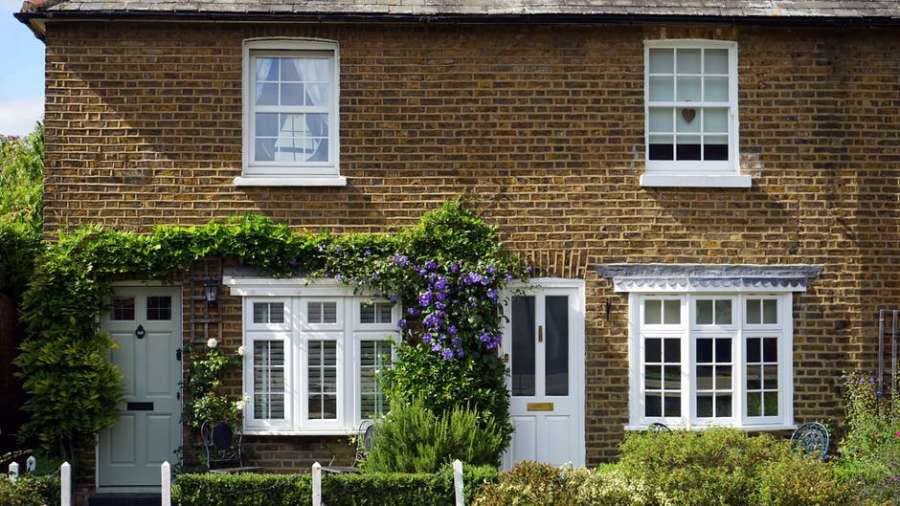
The Budget included targeted measures for high-value properties. Homes in England worth more than £2 million will now face a council tax surcharge. This will range between £2,500 and £7,500 following a revaluation of homes in bands F, G, and H.
Reacting to this new surcharge and its potential to distort the market, Heather Adams, Head of Myerson Residential Property Team notes:
“On the property side, much to the disappointment of homebuyers, stamp duty was not scrapped, however the much anticipated “mansion tax” was announced: properties identified as having a value of more than £2million will be subject to an additional council tax charge.
The announcement was not a surprise given the rumours which have been circulating for some weeks and it was also not quite as bad as anticipated, with properties above £1.5million having been previously mentioned as at risk. it is interesting to note that the charge will not come into play until 2028, which could potentially lead to a flood of properties being put on the market in the next couple of years.
There is a risk that the property market could be distorted by the change, particularly as the implementation date looms, when sellers may be forced to consider offers of just under £2million for properties which are in reality worth substantially more. Hopefully, however, the element of certainty which has now been introduced, will enable the market to stabilise and move forwards.”
Business and Employment
There are major updates for employers and business owners. The legal minimum wage for over-21s will rise by 4.1% to £12.71 per hour in April. Younger workers aged 18 to 20 will see an 8.5% increase to £10.85 per hour as the government moves toward a single rate for all adults.
Read more about the key changes for employers.
For business owners considering their exit strategy, there is a significant change to Capital Gains Tax relief.
The relief on shares sold by business owners will be cut in half. Specifically, the relief for Employee Ownership Trusts will be restricted from 100% to 50%.
Additionally, the tax exemption for small packages from overseas retailers worth under £135 will be scrapped from 2029 to help UK high street businesses compete.

Providing a detailed view on how these changes balance against new incentives for scale-ups, Akeel Latif, Head of Myerson's Corporate Team explains:
“On the Capital Gains Tax relief changes for Employee Ownership Trusts, our view is that despite the changes announced in the Budget, the CGT relief offered to selling shareholders on a disposal to an EOT remains a significant incentive, particularly in light of the rates of CGT applicable to all gains on the disposal of assets (other than residential homes).
These rates were increased in the 2024 Budget to 18% (at the basic rate) and 24% (at the higher rate) coupled with the CGT rates applicable to Business Asset Disposal Relief (also known as BADR) which increased to 14% on 6 April this year and is due to raise again to 18% for disposals made on or after 6 April 2026. We therefore believe that due to the significant benefits the EOT ownership structure offers to both the selling shareholders, the company's employees and the company itself, EOTs will remain an attractive succession model for current business owners, provided that their business is suitable for employee ownership which should be the primary consideration when weighing up whether to sell to an EOT.
For business owners, directors and investors, the Autum 2025 Budget brings both challenges and opportunities. Notably for larger firms and scale-ups, it was announced that with effect from 6 April 2026, the company eligibility requirements relating to Enterprise Management Incentive (EMI) schemes will be increased. Measures include increasing the limit on company options from £3 million to £6 million, increasing the limit on gross assets from £30 million to £120 million and increasing the limit on the number of employees from 250 to 500. It is hoped that these measures will enable such firms to better reward their employees, attract and retain talent and help with growth.”
Everyday Costs and Transport
The Chancellor offered some relief for drivers by extending the 5p cut in fuel duty until September 2026. However, electric vehicle owners will see a new mileage-based tax introduced from 2028.
In a move to tackle child poverty, the cap limiting households on universal or child tax credit from receiving payments for a third or subsequent child will be scrapped from April.
Other cost of living measures include:
- The price of a single NHS prescription in England will be frozen at £9.90 for another year.
- The Energy Company Obligation scheme is being scrapped, which the Chancellor says will take £150 off energy bills next year.
- Tax on sugary drinks will be extended to pre-packaged milkshakes and lattes from 2028.

Inheritance Tax and Compensation
In a specific legal update, the Chancellor confirmed that payments from the compensation scheme for the infected blood scandal will be exempt from inheritance tax.

Offering a broader perspective on wealth preservation and estate planning beyond specific exemptions, Bik-ki Wong, Head of Private Client, comments:
“The Autumn 2025 Budget wasn’t as bad as the pre-event hype. However, it was clear that the emphasis was on raising funds (in other words, taxes) either by reducing or freezing existing exemptions.
This time last year there was uproar in the Private Client and Corporate world especially around the capping of 100% Agricultural and Business Property Relief to £1 million (combined) leading to farmers protesting and a spate of transactions to reduce estates. Whilst there was no back tracking on that front in the Chancellor’s speech, the Budget does mention the ability to transfer any of the unused £1 million Agricultural/Business allowance between spouses or civil partner (akin to the rules around transferring the Nil Rate Band and Residence Nil Rate Band) which is better than nothing.
What is clear is that those with wealth and earnings will be hit the hardest so it’s even more important for us, as professional advisors to help our clients with estate planning and to utilise whatever exemptions and reliefs still available.
Although we held our breath on the extension of the survivorship period for Potentially Exempt Transfers (PETs) from 7 years to 10 years or the possibility of a cap on lifetime gifting, neither transpired (this time around) and therefore with forward planning, it is still possible to mitigate Inheritance Tax.”
Contact Our Team Of Experts
If you would like tailored advice on how the 2025 Budget may impact your business, our team is here to help.
Contact us today to discuss your query:
0161 941 4000

Bik-ki Wong
Partner and Head of our Wills, Trusts, and Probate
Bik-ki has over 20 years of experience acting as a Wills, Trusts, and Probate solicitor. Bik-ki is an expert in dealing with high net-worth individuals as well as those who have more complicated circumstances or those with mental capacity issues.
About Bik-ki Wong