


Sexual harassment has long cast a shadow over UK workplaces - and the retail sector, with its public-facing roles, shift work, and youthful workforce, is particularly vulnerable. But change is finally gathering pace.
In October 2024, new laws came into effect, requiring all employers, including retailers, to take reasonable steps to prevent sexual harassment in the workplace. This is more than a policy update; it’s a legal duty.
The Equality and Human Rights Commission (EHRC) has made it clear: employers who don’t proactively tackle harassment can expect enforcement action.
So, what does this mean for retail leaders, HR teams and store managers? This blog from our Employment and Retail Lawyers breaks down the legal position and outlines the steps retail employers should take.
The legal duty: Prevention over reaction
The Worker Protection (Amendment of Equality Act 2010) Act 2023, which came into effect in October 2024, places a positive duty on employers to prevent sexual harassment at work.
What’s changed?
Previously, employers were only liable for harassment by their employees during employment after the harassment occurred, unless they could show that they had taken “all reasonable steps” to prevent it.
Now, there’s a proactive and positive obligation on employers to prevent harassment before it starts.
Failing to do so could lead to:
- Tribunal claims with uplifted compensation (up to 25%)
- Investigations or enforcement notices by the EHRC
- Reputational damage, especially on social media or employer review sites

EHRC Enforcement
The EHRC has already signalled it will be actively monitoring compliance across key sectors - including retail, hospitality and leisure - where young and female workers are overrepresented.
This can be evidenced by the EHRC writing directly to every McDonald’s franchise in Britain, earlier in the year, to remind them of their legal duties and the consequences of failing to meet them.
The EHRC have enforcement powers to:
- Investigate an employer
- Issue an unlawful act notice if the employer is or has been the subject of an investigation, confirming that the EHRC has found an employer has breached the law and requiring the employer to prepare an action plan, setting out how it will remedy any continuing breach of the law and prevent future breaches
- Enter into a formal, legally binding agreement with an employer to prevent future unlawful acts
- Ask a court for an injunction to restrain an employer form committing an unlawful act
The EHRC can use one of their enforcement powers to take action if they suspect employers have not complied with the preventative duty.
This can be done without an incident of sexual harassment taking place and without a tribunal claim being brought.
Having a written policy is not enough to satisfy the law; the EHRC expects evidence of meaningful, ongoing action.

What “reasonable steps” look like in retail
The EHRC have published technical guidance but we’ve detailed below how you can turn those expectations into action:
- Having clear, accessible policies – An employer’s anti-harassment policy should:
- Define what sexual harassment is (with examples)
- Include third-party harassment (e.g. from customers)
- Explain how employees can report it harassment (confidentially and safely)
- Be available in formats suitable for your workforce (think language barriers, reading levels, mobile access)
- Having regular, practical training – Employers are expected to have ongoing, tailored training – it’s not just a one-off, tick-box session:
- All staff should receive harassment prevention training tailored to the retail environment (e.g. dealing with inappropriate customer behaviour)
- Managers and supervisors must be trained to spot warning signs and handle complaints properly
- Create a speak-up culture
- Offer anonymous reporting tools (e.g. hotlines or apps)
- Make clear that retaliation is prohibited and will be taken seriously
- Recognise that younger and part-time staff may feel less confident speaking out
- Managers should lead by example
- Acting fast and documenting matters – When a report of harassment is made employers should:
- Take immediate protective steps
- Consider what went wrong and what needs to change moving forwards
- Conduct thorough and impartial investigations
- Record decisions and actions taken



Third party harassment
The EHRC takes the view that sexual harassment can happen in the workplace, not just at the hands of colleagues, but also at the hands of third parties. Retail workers are especially exposed to harassment from customers, clients or suppliers.
The new duty includes an expectation that employers take reasonable steps to prevent and respond to third-party harassment, too.
This could mean:
- Displaying zero-tolerance signage in-store
- Training staff on how to de-escalate and report incidents
- Banning abusive customers or escalating/reporting repeat offenders to the police (in the case of a customer) or to their own employers (in the case of a client or supplier)

What to do next: A quick checklist
- Review and refresh your anti-harassment policies
- Launch or update your training for all staff
- Introduce anonymous reporting options
- Audit your workplace culture - what are staff really experiencing?
- Keep clear records of steps you’re taking
This isn’t about box-ticking.
Creating a respectful, inclusive retail environment reduces staff turnover, boosts morale, and protects your brand reputation – not to mention avoiding costly litigation.

Contact Our Retail and Employment Lawyers
If you'd like help reviewing your workplace policies, developing training, or navigating your further obligations, please get in touch with our specialist Retail and Employment team:
0161 941 4000
Latest Myerson Retail Law News

Can a Court Save a Retailer? The TG Jones Judgment Shows the Limits of Restructuring
On 1 July 2026, the High Court approved TG Jones' restructuring plan - but the judge (Mr Justice Hildyard) openly questioned whether the turnaround would succeed. Our Insolvency and Restructuring team explore what the Court’s decision in this case tells us about the current restructuring regime in England and Wales.
Read Blog
Retail and Hospitality: Growing your Local Business
Growing a retail or hospitality business presents exciting opportunities, but it also introduces new legal responsibilities. Whether you are expanding online, recruiting more employees or negotiating commercial premises, taking the right legal steps early can help protect your business and support sustainable growth. In this practical webinar...
Watch Webinar
What Due Diligence Is Required for a Commercial Property Purchase?
Purchasing a commercial property can deliver strong returns, whether through rental income received from tenants or long-term capital growth. It does, however, entail a range of legal and practical risks that, if not addressed and managed before exchange of contracts, can significantly affect the property’s value. Our Commercial Property team...
Read Blog
A Corporate Law Checklist for Founder-Led Retail Businesses in the UK
Running a founder-led retail business in 2026 often means making high-stakes decisions with limited resources while navigating changing costs, shifting consumer demand, and rising regulatory pressure. A solid grasp of core corporate law principles - such as governance, directors’ duties, fundraising, transactions, and ESG – can, however, help you...
Read Blog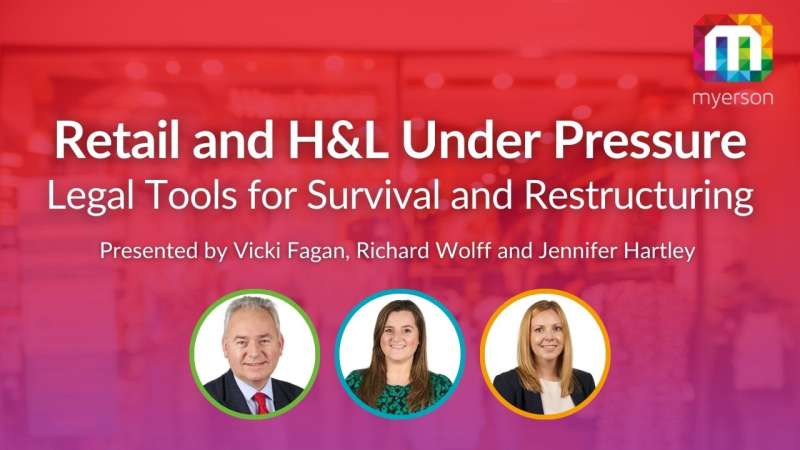
Retail and H&L Under Pressure: Legal Tools for Survival and Restructuring
Rising labour costs, increasing business rates, changing consumer behaviour and sustained inflation are placing significant pressure on the UK retail, hospitality and leisure sectors. In this practical and commercially focused webinar, our specialists in employment law , insolvency and restructuring , and property litigation examine the legal...
Watch Webinar
Commercial Lease Legal Updates 2026: What Retail Tenants Need to Know
As we approach the end of the second month of 2026, we look at some of the changes that retail tenants can expect during the remainder of this year and beyond. From major changes to rent review mechanisms to business rates reforms and stricter energy performance standards, these updates will all impact retailers. It is important to be aware of...
Read Blog
Vicki Fagan
Senior Associate
Vicki has experience acting as an Employment solicitor. Vicki has specialist expertise in HR issues, claims for discrimination, unfair and constructive dismissal and whistleblowing, and the preparation of employment contracts.
About Vicki Fagan