


As we approach April 2026, businesses across the hospitality and leisure sector should be braced for another significant rise in the National Minimum Wage (“NMW”) and National Living Wage (“NLW”).
Although annual increases are not new, the scale of recent changes combined with wider cost pressures means that this year’s adjustments warrant careful planning and, in some cases, a reassessment of business operating models, our Hospitality and Leisure Lawyers explain.
What is changing?
From 1 April 2026, the Government will implement the following increases:
- NLW for ages 21 and over: £12.71 per hour (up from £12.21);
- NMW for ages 18 to 20: £10.85 per hour (up from £10.00); and
- NMW for ages 16 to 17 and apprentices: £8.00 per hour (up from £7.65).
This represents a 4.1% increase for the NLW and an even higher percentage increase for younger workers.
These changes follow the Government’s acceptance of the Low Pay Commission’s recommendations, with a clear intention to maintain the NLW at around two-thirds of median earnings.
Why does this matter for hospitality and leisure businesses?
Hospitality and leisure businesses are especially affected by minimum wage increases due to the demographics of their employees and relatively tight margins.
It is estimated that the April 2026 increases will add approximately £1.4 billion in wage costs across the sector.
At the same time, businesses continue to face:
- Rising employer National Insurance contributions;
- Ongoing inflationary pressures on food, energy and rent; and
- Recruitment and retention challenges.
Key legal and compliance considerations
Employers should be aware of the legal risks associated with non-compliance.
HMRC enforcement remains active, with penalties, public naming, and reputational damage all possible consequences for underpayment, even where errors are inadvertent.

Key areas that businesses should review
- Pay structures and salary sacrifice arrangements: employers should ensure that deductions (e.g. uniforms, meals, or accommodation offsets) do not inadvertently reduce pay below statutory minimum levels.
- Working time calculations: hospitality businesses in particular must carefully track split shifts and time spent on training/mandatory briefings. Failure to properly account for working time remains a common way of breaching the rules.
- Tips and service charge: whilst tips can supplement income, they do not count towards minimum wage obligations, meaning base pay must independently meet the statutory threshold.
- Younger workforce considerations: with larger percentage increases for 18 to 20 year olds, businesses that rely heavily on younger staff may see a disproportionate rise in wage costs.
Considerations for businesses
For many in the hospitality and leisure sector, the question is how to absorb wage increases. The increase in wages may lead to:
- Passing the cost increases onto consumers, such as menu price increases (which in turn could fuel inflation);
- Workforce restructuring, including reducing staff hours and cutting positions
- Investment in technology, such as automated ordering systems to reduce manual tasks
- Reviewing opening hours to focus on peak profitability times and cut down on wage outgoings
However, any changes should be balanced against employee relations, brand strategy, and customer experience, to avoid losing staff and business.
A positive impact linked to the increase is that higher minimum wages may contribute to improved employee morale and productivity within the workforce.

Looking ahead
The change to the minimum wage policy creates an ongoing need for hospitality and leisure businesses to:
- Regularly review pay practices and keep adequate records of payment (for a minimum of 6 years)
- Build wage increases into financial planning
- Seek accountancy advice where pay structures are complex
The April 2026 increases are part of a broader structural shift in the UK employment market with the introduction of the Employment Rights Act 2025.
Contact Our Hospitality and Leisure Specialists
Businesses that take proactive steps now to ensure compliance and adapt operationally will be best placed to navigate the challenges ahead.
If you would like advice on reviewing your pay practices or restructuring your workforce in light of these changes, our employment team would be happy to assist.
0161 941 4000
Latest Myerson Hospitality and Leisure News

Retail and Hospitality: Growing your Local Business
Growing a retail or hospitality business presents exciting opportunities, but it also introduces new legal responsibilities. Whether you are expanding online, recruiting more employees or negotiating commercial premises, taking the right legal steps early can help protect your business and support sustainable growth. In this practical webinar...
Watch Webinar
What Due Diligence Is Required for a Commercial Property Purchase?
Purchasing a commercial property can deliver strong returns, whether through rental income received from tenants or long-term capital growth. It does, however, entail a range of legal and practical risks that, if not addressed and managed before exchange of contracts, can significantly affect the property’s value. Our Commercial Property team...
Read Blog
Structuring Gyms and Sports Clubs: Company, CIC or Charity?
Choosing the appropriate legal structure is an important decision for any gym or sports club. The structure determines how the club can hold its assets, enter into contracts, employ staff and raise funding. While many clubs may start informally or as unincorporated associations, growth in membership, income, or facilities often makes an early...
Read Blog
National Minimum Wage Increase - The Impact on Hospitality and Leisure
As we approach April 2026, businesses across the hospitality and leisure sector should be braced for another significant rise in the National Minimum Wage (“NMW”) and National Living Wage (“NLW”). Although annual increases are not new, the scale of recent changes combined with wider cost pressures means that this year’s adjustments warrant...
Read Blog
Myerson Celebrates Successful ‘A Taste of Altrincham’ Festival as Headline Sponsor for Second Year
Myerson is celebrating the success of this year’s 'A Taste of Altrincham', having returned as headline sponsor for the second consecutive year. The 10-day festival, which ended on 8th March 2026, brought together residents, visitors and local businesses to celebrate Altrincham’s thriving food and drink scene. A diverse programme of events...
Read News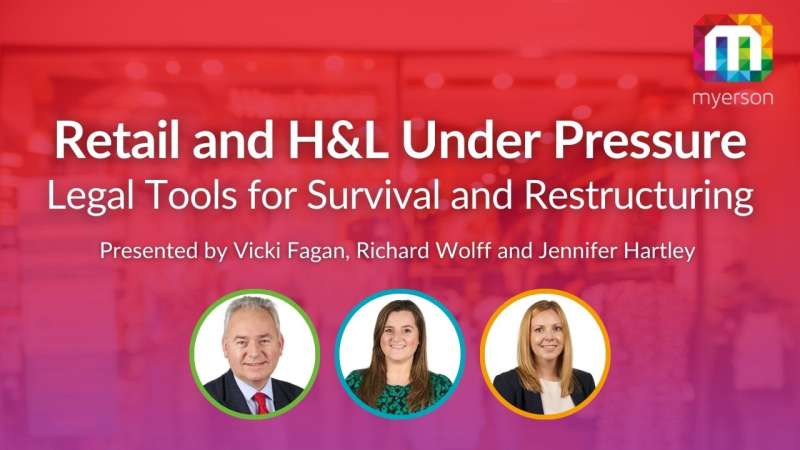
Retail and H&L Under Pressure: Legal Tools for Survival and Restructuring
Rising labour costs, increasing business rates, changing consumer behaviour and sustained inflation are placing significant pressure on the UK retail, hospitality and leisure sectors. In this practical and commercially focused webinar, our specialists in employment law , insolvency and restructuring , and property litigation examine the legal...
Watch Webinar
Emily Arnold
Trainee Solicitor
Emily joined Myerson as a Trainee Solicitor in 2024. Emily studied Law at the University of Liverpool, graduating with a 2:1 in 2019.
About Emily Arnold