


Choosing the appropriate legal structure is an important decision for any gym or sports club.
The structure determines how the club can hold its assets, enter into contracts, employ staff and raise funding.
While many clubs may start informally or as unincorporated associations, growth in membership, income, or facilities often makes an early structure unsuitable.
Our Hospitality and Leisure lawyers set out the legal structures available to such clubs, explaining how they work, their advantages, and suitability below.
1.Company Limited by Guarantee
A company limited by guarantee is an incorporated entity registered at Companies House.
Instead of shareholders, it has members who agree to contribute a nominal sum (often £1), and their liability is limited to a nominal sum.
This is one of the most widely used structures for amateur, semi‑professional and not‑for‑profit gyms or sports clubs.
The key features include:
- Separate legal personality
- Governed by articles of association which will include protections for members and provisions dealing with their objects, assets, and directors’ responsibilities
- Managed by a board of directors, who will be subject to statutory director duties
- Profits generated by the club must be reinvested in the club in line with its objects in the articles of association
A company limited by guarantee is a popular option as it offers limited liability to its members, while allowing the club itself to hold assets, such as land, facilities and equipment, employ staff and enter into contracts in the club’s name.
Additionally, as a company limited by guarantee, it is incorporated at Companies House, which offers a club credibility for institutions such as banks and governing bodies, offering an opportunity to obtain bank funding.
This structure is best suited to not-for-profit gyms or sports clubs that own assets, employ staff and have a high income.

2. Company Limited by Shares
A company limited by shares is an incorporated entity registered at Companies House and owned by shareholders who invest in the company. It is the standard structure for profit-driven, private businesses.
The key features include:
- Separate legal personality and limited liability for shareholders
- Managed by a board of directors on behalf of the shareholders, who will be subject to statutory director duties
- Profits made can be distributed to the shareholders as dividends
- Shares in the company can be transferred or sold
This structure offers the possibility of investment from new shareholders, and a range of financing options, including debt finance from a bank for example.
Similar to a company limited by guarantee, the club itself can also hold assets and enter into contracts in its name.
However, as shares can be allotted, sold or transferred to anyone, there would be little community control or benefit.
This structure is best suited for professional or elite gyms and sports clubs with a profit-driven model, or those where the sporting activity operates alongside a commercial purpose.

3. Community Interest Company (CIC)
A Community Interest Company is a form of limited company designed for businesses that primarily benefit the community.
It is regulated by the CIC Regulator and must satisfy a statutory “community interest test” showing that its activities are or will be carried on for the benefit of the community.
The key features include:
- Can be limited by shares or by guarantee
- Subject to asset lock provisions which retain assets for the community’s benefit
- Restrictions on how profits can be distributed, and typically are primarily reinvested into the business to benefit the community
- Annual reporting requirements to the CIC Regulator
A CIC offers gyms and sports clubs with a clear community purpose to offer a wider social value and benefit to the community, while also maintaining the limited liability for its members and ability to hold assets and enter into contracts in its name (similar to the other structures).
The asset lock protections prevent assets being diverted away from community use. A CIC also offers funding opportunities to a club from local authorities and also community grants.
This structure is most suitable for clubs with strong community ties that offer programmes or initiatives for the benefit of the community, which meet the relevant statutory tests but do not meet the criteria for charitable status.

4. Charitable Incorporated Organisation (CIO)
A CIO is a corporate charity structure regulated by the Charity Commission.
It is not registered at Companies House or subject to company regulation but is governed by the Charities Act 2011.
In order to qualify as a CIO, the business must have exclusively charitable objectives and demonstrate that its activities provide a public benefit.
The key features include:
- Separate legal personality and limited liability for its trustees and members
- Trustees are legally responsible for the charity, with a recommended minimum of two trustees imposed by the Charities Act 2011
- Governed by a constitution (similar to articles of association) which must meet Charity Commission requirements
- Operates exclusively for charitable purposes and for public benefit
Similar to the other structures, CIO’s offer limited liability and the ability to own assets and enter into contracts in its name. They can also employ staff.
However, the trustees generally cannot be paid for their role, as this is performed on a volunteer basis.
The main advantages of a CIO are that they offer tax efficiencies that the other structures do not, including Gift Aid and business rates relief on properties. There is also greater access to diverse funding, including grants, public donations and fundraising.
This structure is most suitable for gyms or sports clubs that are primarily focused on activities for a charitable and public benefit. This can include youth development, disability support and community wellbeing.

5. Community Amateur Sports Club (CASC)
A sports club may also register as a CASC if they are a limited company (either by shares of guarantee) or a CIC.
This offers certain financial and tax benefits similar to a charity, including Gift Aid and business rates relief on properties used for charitable purposes.
To be a CASC, the sports club must be open to the whole community, organised on an amateur basis and have the principal purpose of promoting participation in sports.
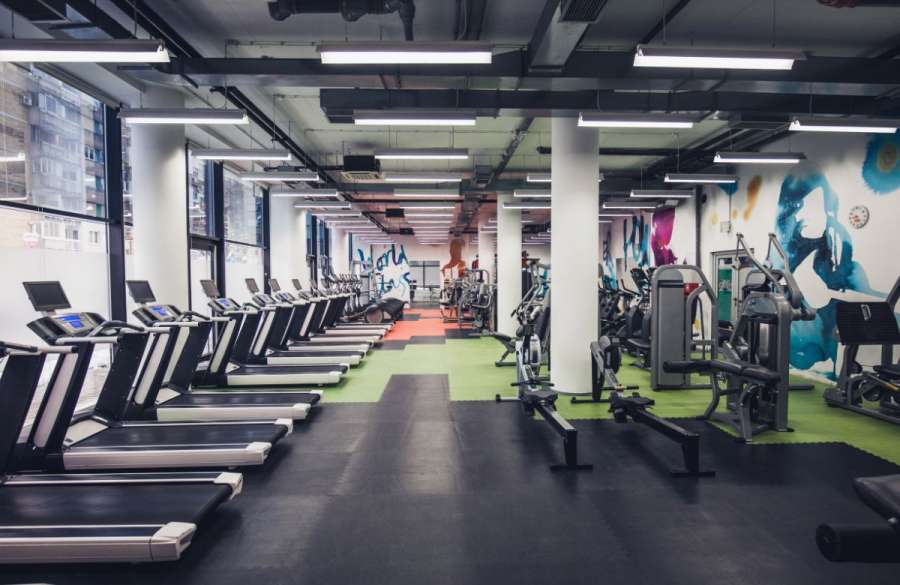
Choosing the Right Legal Structure for Your Gym or Sports Club
When considering legal structure, careful planning, including legal and tax advice, is essential to ensure the chosen structure works with the club’s objectives, protects members and supports funding goals.
Our corporate team have experience advising directors and members on various legal structures.

Contact Our Hospitality and Leisure Lawyers
If you are considering a restructure or which structure would be most suitable for your gym or sports club, our specialist corporate, hospitality and leisure teams can offer advice and guidance at every stage.
0161 941 4000
Latest Myerson Hospitality and Leisure News

Retail and Hospitality: Growing your Local Business
Growing a retail or hospitality business presents exciting opportunities, but it also introduces new legal responsibilities. Whether you are expanding online, recruiting more employees or negotiating commercial premises, taking the right legal steps early can help protect your business and support sustainable growth. In this practical webinar...
Watch Webinar
What Due Diligence Is Required for a Commercial Property Purchase?
Purchasing a commercial property can deliver strong returns, whether through rental income received from tenants or long-term capital growth. It does, however, entail a range of legal and practical risks that, if not addressed and managed before exchange of contracts, can significantly affect the property’s value. Our Commercial Property team...
Read Blog
Structuring Gyms and Sports Clubs: Company, CIC or Charity?
Choosing the appropriate legal structure is an important decision for any gym or sports club. The structure determines how the club can hold its assets, enter into contracts, employ staff and raise funding. While many clubs may start informally or as unincorporated associations, growth in membership, income, or facilities often makes an early...
Read Blog
National Minimum Wage Increase - The Impact on Hospitality and Leisure
As we approach April 2026, businesses across the hospitality and leisure sector should be braced for another significant rise in the National Minimum Wage (“NMW”) and National Living Wage (“NLW”). Although annual increases are not new, the scale of recent changes combined with wider cost pressures means that this year’s adjustments warrant...
Read Blog
Myerson Celebrates Successful ‘A Taste of Altrincham’ Festival as Headline Sponsor for Second Year
Myerson is celebrating the success of this year’s 'A Taste of Altrincham', having returned as headline sponsor for the second consecutive year. The 10-day festival, which ended on 8th March 2026, brought together residents, visitors and local businesses to celebrate Altrincham’s thriving food and drink scene. A diverse programme of events...
Read News
Retail and H&L Under Pressure: Legal Tools for Survival and Restructuring
Rising labour costs, increasing business rates, changing consumer behaviour and sustained inflation are placing significant pressure on the UK retail, hospitality and leisure sectors. In this practical and commercially focused webinar, our specialists in employment law , insolvency and restructuring , and property litigation examine the legal...
Watch Webinar
Melissa Chaplow
Solicitor
Melissa is a solicitor in the Corporate Commercial team at Myerson. Melissa has experience in a variety of corporate matters, including mergers and acquisitions (both sale and purchase), investments, share buybacks, reorganisations and general corporate governance matters. Since qualifying, Melissa has gained experience advising companies, directors and shareholders on a wide range of corporate matters.
About Melissa Chaplow