


Each year, Resolution promotes Good Divorce Week to raise awareness of the importance of managing separation in a constructive way. Too many families going through divorce or separation become involved in avoidable and acrimonious court proceedings. It does not have to be this way - there is a better approach.
Resolution is a community of family justice professionals who work with families and individuals to resolve issues in a constructive way. What sets Resolution members apart is their commitment to working in line with Resolution’s Code of Practice, which promotes a non-confrontational, solution-focused approach to family law.
Many Resolution members are trained in mediation, collaborative practice, arbitration, and other forms of non-court dispute resolution, supporting couples to reach an agreement without the need for court proceedings wherever possible.
A “good divorce” will look different for every family, but it generally involves resolving issues outside of court where appropriate, reducing conflict, saving time and costs, and helping families move forward sooner. This is particularly important where children are involved.
Resolution’s Code of Practice
This year’s Good Divorce Week focuses on Resolution’s Code of Practice, as part of Resolution’s Year of the Code initiative. This initiative serves as a reminder of what being a Resolution member truly represents: resolving family matters constructively and putting the family's needs first.
Resolution members are encouraged to avoid inflammatory language, promote open communication, and focus on long-term well-being rather than short-term outcomes.
This approach can significantly reduce harm, particularly for children, and supports families in reaching more sustainable solutions. The widespread adoption of the Code and its endorsement by the courts have played a significant role in shaping modern family law practice.
All Resolution members sign up to the Code of Practice and complete training on how to apply it in their day-to-day work. Associate members support the Code and are encouraged to follow its principles.
In practice, Resolution membership means committing to:
- Reducing or managing conflict and confrontation, including avoiding inflammatory language
- Supporting families to prioritise the best interests of any children
- Acting with honesty, integrity, and objectivity
- Helping clients understand the potential long-term financial and emotional consequences of decisions
- Treating everyone with respect and without judgment
- Guiding clients through the options available to them
- Continually developing professional knowledge and skills
- Using Resolution’s Guides to Good Practice
- Working with other Resolution members to ensure the Code remains central to all aspects of work.
Alternatives to Court Proceedings
The family court system is currently under significant pressure, with many families experiencing lengthy delays. In recent years, it has not been uncommon for divorce-related hearings to take many months to be listed. This can leave families in a prolonged period of uncertainty, often increasing stress and conflict at an already challenging time.
There are a range of alternatives to court proceedings, known as Non-Court Dispute Resolution (NCDR) or Alternative Dispute Resolution (ADR). These options are often more cost-effective, quicker, and less stressful, allowing families to resolve issues and move forward sooner.
Common forms of NCDR include:
- Mediation, a confidential and voluntary process where a trained mediator helps couples discuss and resolve issues in a neutral setting. This can be particularly beneficial for parents who will need to co-parent after separation.
- Arbitration, a private and legally binding alternative to court, where an agreed arbitrator makes decisions tailored to the family’s circumstances.
- Private Financial Dispute Resolution hearings, which involve a neutral legal expert helping separating couples narrow financial issues and encourage settlement in a less confrontational environment.
Many Resolution members are trained in these approaches and regularly support clients in resolving disputes without court intervention.
The Head of Myerson’s Family Team, Jane Tenquist, is an accredited Family Mediator and an active member of Resolution, known for her constructive, pragmatic advice and down-to-earth approach.
Our Approach at Myerson
At Myerson, we recognise that not every family law dispute requires court involvement.
We actively promote Non-Court Dispute Resolution where appropriate, offering a more constructive, private, and cost-effective route for families - particularly where children are involved.
Whether you are dealing with separation, financial matters on divorce, or child arrangements, NCDR can offer greater control, reduced stress, and more durable outcomes.
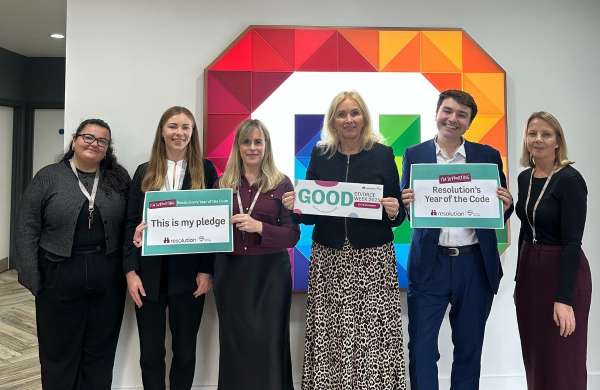
As Resolution members, we work in line with the Code of Practice, prioritising respectful negotiation, child-focused solutions, and the reduction of conflict wherever possible.

Contact Our Collaborative Lawyers
If you would like to learn more about whether collaborative law is right for you, please get in touch with our Family Team.
We are happy to offer an initial consultation to explore your options and answer your questions.
0161 941 4000
Latest Myerson Family Law News
Myerson Magazine Autumn 2026 Issue
Welcome to the latest edition of Myerson Magazine, where we share practical legal advice, expert insights and news from across Myerson Solicitors. In this issue, we cover some of the important legal considerations that arise at different stages of life, from protecting family wealth and planning for the next generation to understanding your...
Read Newsletter
Myerson Solicitors Strengthens Chambers UK Rankings with Six New Recognitions in 2027 Guide
Leading independent law firm Myerson Solicitors has secured six new rankings in the Chambers and Partners UK Guide 2027, further strengthening its reputation for legal excellence and reflecting a sustained period of growth and success for the firm.
Read News
11
From Conflict to Collaboration with Marcie Shaoul
How can professionals better support separated parents to move away from conflict and towards a more constructive co-parenting relationship? The Myerson Family Law team is delighted to welcome Marcie Shaoul , founder of The Co-Parenting Method and one of the UK’s leading voices on constructive co-parenting following separation, for an engaging...
View Event
Do Grandparents Have Rights to See Their Grandchildren?
Grandparents often play a significant role in a child's life, providing emotional support and stability and, in some cases, being the child's primary caregiver. Official statistics published by the Office for National Statistics in 2021, together with more recent estimates from the Family Rights Group , suggest that around 160,000 children in...
Read Blog
Wedding Law Reform: Why the Proposed Changes Matter for Couples
The law governing weddings in England and Wales has remained largely rooted in legislation dating back to the nineteenth century. However, significant reforms may now be on the horizon. In July 2026, the government launched its consultation “ Tying the Knot: Reforming Weddings Law in England and Wales ”, proposing the most substantial overhaul...
Read Blog
The Remarriage Trap: What Every Divorced Person Should Know Before Saying “I Do” Again
For many, a second marriage is a true new beginning, a chance to improve with hindsight. Second marriages are far from uncommon. According to the Office for National Statistics (ONS) , around one in three opposite-sex marriages in England and Wales involve at least one person who has been married before. With thousands of divorced people...
Read Blog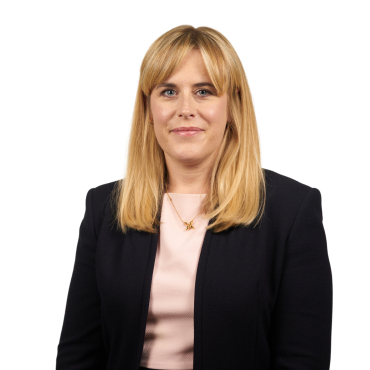
Nichola Bright
Partner and Head of Family
Nichola has over 16 years of experience acting as a Family solicitor. Nichola has specialist expertise in divorce and high net-worth financial settlements, separation, co-habitation, pre-nuptial agreements, complex disputes regarding children, fertility law and surrogacy law.
About Nichola Bright