


Recent media coverage has highlighted the story of former professional footballer Joe Thompson's widow, Chantelle Thompson, who is expecting a baby boy through IVF treatment following her husband's death.
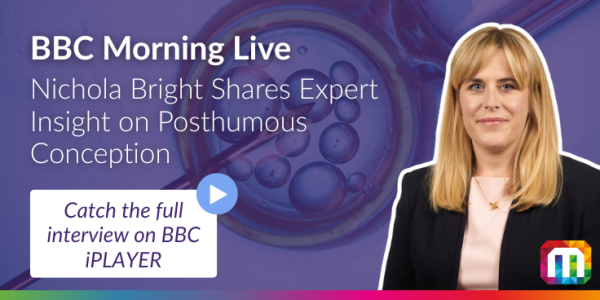
To help explain the law surrounding these arrangements, our Partner and fertility and surrogacy law specialist, Nichola Bright, appeared on BBC Morning Live to provide expert legal insight.
Joe Thompson Story Brings Posthumous Conception into the Spotlight
Joe Thompson, who passed away in April 2025 after a third battle with Hodgkin's lymphoma, had discussed and planned the treatment with Chantelle before his death and provided the necessary consent for treatment to continue. Chantelle described the pregnancy as "bittersweet but beautiful news", explaining that while welcoming another child brings great joy to the family, it is also a poignant reminder of Joe's absence. The story has sparked widespread public interest in the legal framework surrounding posthumous conception and the importance of obtaining the correct legal consent before fertility treatment can proceed after a person's death.
Joe is best known for his time as a midfielder at Rochdale AFC, also playing for Tranmere Rovers, Bury, Carlisle United, and Southport.

What is Posthumous Conception?
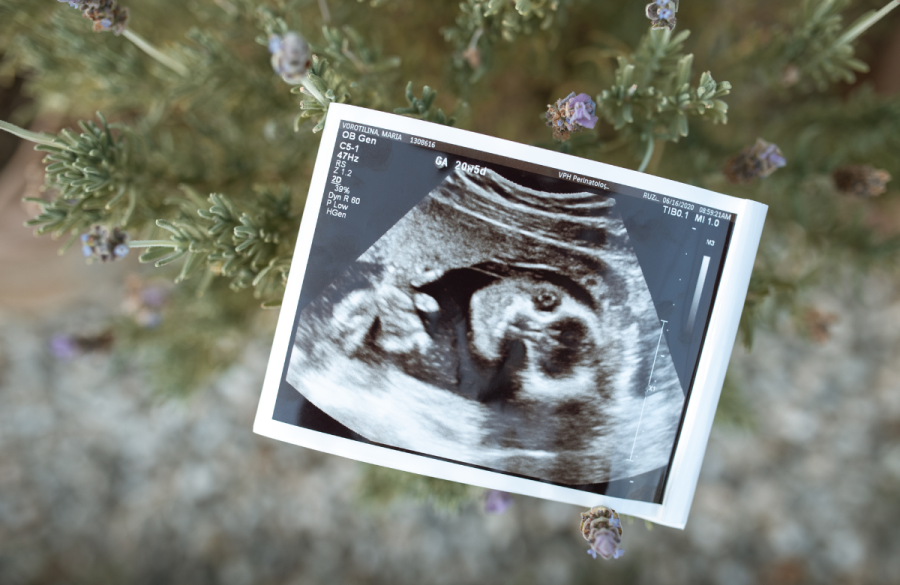
Posthumous conception refers to the conception and birth of a child using the sperm, eggs, or embryos of a deceased individual.
This can involve the use of stored reproductive material or embryos created before death.
Understanding the Legal Requirements for Posthumous Conception
During the segment, Nichola explained that posthumous conception is legal in the United Kingdom, but only where the correct legal steps have been taken before a person's death.
Nichola shared:
"Posthumous conception isn't something that can be decided on after someone has died. You need to have provided written consent via your UK licensed fertility clinic to your sperm or eggs be used after your death."
Nichola explained that written consent must be completed and stored with a licensed fertility clinic before death. Without this consent, sperm or eggs cannot be used for treatment after a person's death, regardless of the wishes expressed by family members or loved ones.

Changes to the Law
The discussion also explored how the Human Fertilisation and Embryology (Deceased Fathers) Act 2003 provided important recognition to families created through posthumous conception.
Nichola highlighted that the legislative changes introduced in 2003 allow children conceived after their father's death to have their father's details recorded on their birth certificate, provided the necessary legal requirements have been satisfied.
These changes have provided greater legal recognition for families formed through posthumous conception and helped ensure that children born in these circumstances have an accurate record of their parentage.

The Importance of Planning Ahead
The segment featured the story of former professional footballer Joe Thompson, who sadly passed away in 2025 following a battle with cancer. Prior to his death, Joe and his wife Chantelle had begun IVF treatment, and Joe had provided the necessary written consent for treatment to continue after his death. Chantelle is now expecting the couple's baby boy.
Reflecting on the importance of planning ahead, Nichola advised:
"The advice I would give to anyone in this situation is to have these conversations as early as possible, and provide your consent via your clinic, and make sure everyone is providing the right written consent at the right time, and before it's too late."
Nichola emphasised that discussing fertility wishes early and ensuring the correct documentation is completed can provide clarity and reassurance for families facing difficult circumstances.

BBC Morning Live
The full episode can be watched back in full on BBC iPLAYER.
The segment discussing posthumous conception begins at 29 minutes and 50 seconds.

Contact Our Fertility Lawyers
If you are considering fertility treatment, surrogacy agreements, or have questions regarding posthumous conception and consent, our specialist Family Law team can provide clear, practical advice tailored to your circumstances.
0161 675 1796
More Family Law Advice and News

Do Grandparents Have Rights to See Their Grandchildren?
Grandparents often play a significant role in a child's life, providing emotional support and stability and, in some cases, being the child's primary caregiver. Official statistics published by the Office for National Statistics in 2021, together with more recent estimates from the Family Rights Group , suggest that around 160,000 children in...
Read Blog
Wedding Law Reform: Why the Proposed Changes Matter for Couples
The law governing weddings in England and Wales has remained largely rooted in legislation dating back to the nineteenth century. However, significant reforms may now be on the horizon. In July 2026, the government launched its consultation “ Tying the Knot: Reforming Weddings Law in England and Wales ”, proposing the most substantial overhaul...
Read Blog
The Remarriage Trap: What Every Divorced Person Should Know Before Saying “I Do” Again
For many, a second marriage is a true new beginning, a chance to improve with hindsight. Second marriages are far from uncommon. According to the Office for National Statistics (ONS) , around one in three opposite-sex marriages in England and Wales involve at least one person who has been married before. With thousands of divorced people...
Read Blog
What Is Posthumous Conception and Is It Legal in the UK?
Recent media coverage has highlighted the story of former professional footballer Joe Thompson's widow, Chantelle Thompson, who is expecting a baby boy through IVF treatment following her husband's death. Her story has brought posthumous conception into the public spotlight and prompted questions about how the law regulates the use of stored...
Read Blog
Surrogacy and Succession: What the Longleat Trust Case Means for Modern Inheritance Disputes
A recent High Court decision involving the Longleat estate highlights an emerging challenge in trust and probate law: applying historic trust instruments to modern family structures, particularly those created through assisted reproduction and surrogacy. Although the case is rooted in aristocratic wealth, the legal principles are widely relevant...
Read Blog
What Happens If a Spouse or Civil Partner Dies During Divorce?
The unfortunate death of a spouse or civil partner during divorce proceedings brings new complications to what can already be an emotional and stressful time. Whilst uncommon, it is important to be aware of the impact this can have on proceedings, how your entitlement can change and what you can do to protect your assets during the divorce...
Read Blog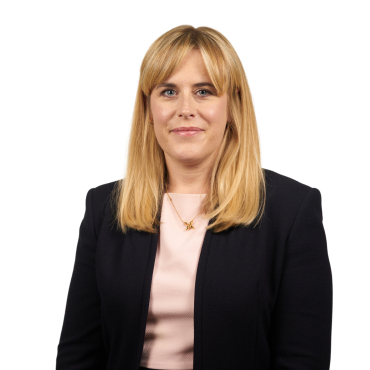
Nichola Bright
Partner and Head of Family
Nichola has over 16 years of experience acting as a Family solicitor. Nichola has specialist expertise in divorce and high net-worth financial settlements, separation, co-habitation, pre-nuptial agreements, complex disputes regarding children, fertility law and surrogacy law.
About Nichola Bright