
Our Trusts Service
Every family is different, which means there is no single trust that is right for everyone. The most suitable arrangement will depend on your objectives, the assets you wish to protect, and the people you want to benefit.
Our specialist trust solicitors provide tailored advice on creating, administering, and reviewing trusts to help you achieve your personal and financial objectives.
Whether you're establishing a trust during your lifetime or incorporating one into your Will, we'll explain your options in plain English, prepare the necessary legal documentation, and guide you through every stage of the process.
Trusts can provide valuable protection for your assets, flexibility in how you distribute wealth, and reassurance that your wishes will be carried out as intended.
However, choosing the right trust requires careful consideration of your family circumstances, financial position, and long-term goals.
Our team will help you understand the available options and recommend the structure best suited to your needs.
We also advise on trustee appointments, trust administration, and the tax implications of different trust arrangements, ensuring your planning is both effective and compliant.
We advise on a wide range of trust structures, including:
Discretionary Trusts
Discretionary trusts give trustees flexibility to decide when and how beneficiaries receive income or capital.
This makes them particularly suitable where circumstances may change over time, where beneficiaries are young or vulnerable, or where asset protection and inheritance tax planning are important considerations.
Interest in Possession Trusts
An interest in possession trust gives a beneficiary the right to receive income generated by the trust assets during their lifetime, while preserving the underlying capital for future beneficiaries.
These trusts are commonly used in succession planning and blended family arrangements.
Bare Trusts
A bare trust is one of the simplest forms of trust.
The beneficiary has an absolute entitlement to the trust assets and is generally treated as the owner for tax purposes.
Bare trusts are often used to hold assets for children until they reach adulthood.
Life Interest Trusts
Life interest trusts allow one beneficiary to benefit from trust income or occupy property during their lifetime, with the underlying assets passing to other beneficiaries on their death.
They are frequently used within Wills to balance the needs of a surviving spouse or partner with those of children from previous relationships.
Charitable Trusts
Charitable trusts enable individuals and families to support charitable causes while creating a lasting legacy.
Depending on the structure and circumstances, they may also offer valuable tax advantages.
Pension Trusts
Pension trusts help manage retirement benefits and provide a framework for protecting pension assets for the benefit of members and their families.
Whether you're establishing a trust for the first time, reviewing an existing arrangement, or considering incorporating trusts into your Will, we'll help you understand your options and recommend the solution that best supports your long-term objectives.
Who We Can Help
Trusts can benefit individuals and families at many different stages of life.
We advise a wide range of clients, including:
- Families with Children from Previous Relationships - Trusts can help ensure each branch of a blended family is provided for while protecting assets for future generations. They can also reduce the risk of disputes and provide greater certainty over how your estate will ultimately be distributed.
- Parents and Grandparents - Many clients use trusts to provide financial support for children or grandchildren while allowing trustees to retain control over when and how funds are released. This can be particularly valuable where beneficiaries are young or financially inexperienced.
- Vulnerable or Disabled Beneficiaries - Trusts can provide long-term financial security for vulnerable family members while helping preserve entitlement to certain means-tested benefits. Every family's circumstances are different, and we'll advise on the most appropriate structure to meet your objectives.
- Individuals Looking to Protect Family Wealth - Trusts can help to safeguard assets against future risks, including financial difficulties, relationship breakdowns, or changing family circumstances. They also allow greater control over how wealth is preserved and passed between generations.
- Clients Considering Inheritance Tax Planning - For many individuals, trusts form an important part of wider inheritance tax planning. Used appropriately, they can help preserve family wealth while ensuring assets are transferred in a tax-efficient manner.
- Property Owners - Trusts may be used to protect family homes and investment properties, manage succession, and ensure property passes according to your wishes rather than changing personal circumstances.
- Those Receiving Personal Injury Compensation - Where significant compensation has been awarded, a trust may help protect those funds for future care and financial security while preserving eligibility for certain state benefits.
- Charitable Individuals and Families - If supporting charitable causes forms part of your legacy, charitable trusts can provide a structured and lasting way to achieve your philanthropic objectives.
- Business Owners and Employers - Trusts are also used in commercial settings, including employee benefit trusts and succession planning for family businesses, helping protect business assets while supporting future growth.
- Existing Trustees - Our advice isn't limited to creating trusts. We also work closely with trustees to help them understand their legal duties, manage trust assets effectively, comply with HMRC requirements, and administer trusts in accordance with their obligations.


Myerson Trust Corporation
Choosing the right trustees is one of the most important decisions when establishing a trust. While family members or friends are often appointed, there are many situations where an independent professional trustee offers greater reassurance and impartiality.
Myerson Trust Corporation acts as an independent professional trustee for a wide variety of trusts.
Appointing a corporate trustee can provide continuity, specialist knowledge, and impartial decision-making, particularly where trusts are valuable, complex, or involve sensitive family dynamics.
As part of Myerson Solicitors, the Trust Corporation has access to specialists across our Private Client, Property, Corporate, and Dispute Resolution teams.
This enables us to provide joined-up advice whenever issues arise throughout the lifetime of the trust.
Whether acting alone or alongside family trustees, Myerson Trust Corporation helps ensure trusts are administered professionally, efficiently, and in accordance with the trustees' legal obligations.

Our Trusts Expertise
Trusts are rarely one-size-fits-all. They often involve complex legal, financial, and tax considerations, which is why specialist advice is so important.
Our team advises individuals, families, trustees, business owners, and professionals on every aspect of trust creation, administration, and succession planning.
Whether you're establishing a new trust, reviewing an existing arrangement, or acting as a trustee, we provide practical advice that reflects both your immediate priorities and your long-term objectives.
Our expertise includes:
- Advising on the creation and restructuring of UK trusts.
- Drafting bespoke trust documentation tailored to your circumstances.
- Supporting trustees with their legal duties and fiduciary responsibilities.
- Advising on trust administration and ongoing governance.
- Guidance on HMRC Trust Registration Service (TRS) requirements and compliance.
- Inheritance Tax (IHT), Capital Gains Tax (CGT), Income Tax and Stamp Duty implications of trusts.
- Protecting family wealth through succession and estate planning.
- Advising on trusts for vulnerable or disabled beneficiaries.
- Trusts involving business assets, agricultural property and investment portfolios.
- Advising on both UK and offshore trust structures.
- Working alongside accountants, financial advisers and other professionals where specialist advice is required.
Our Private Client team also works closely with colleagues across our Corporate, Commercial Property, Family, and Dispute Resolution departments, allowing us to provide joined-up advice where trusts form part of wider wealth planning or family arrangements.
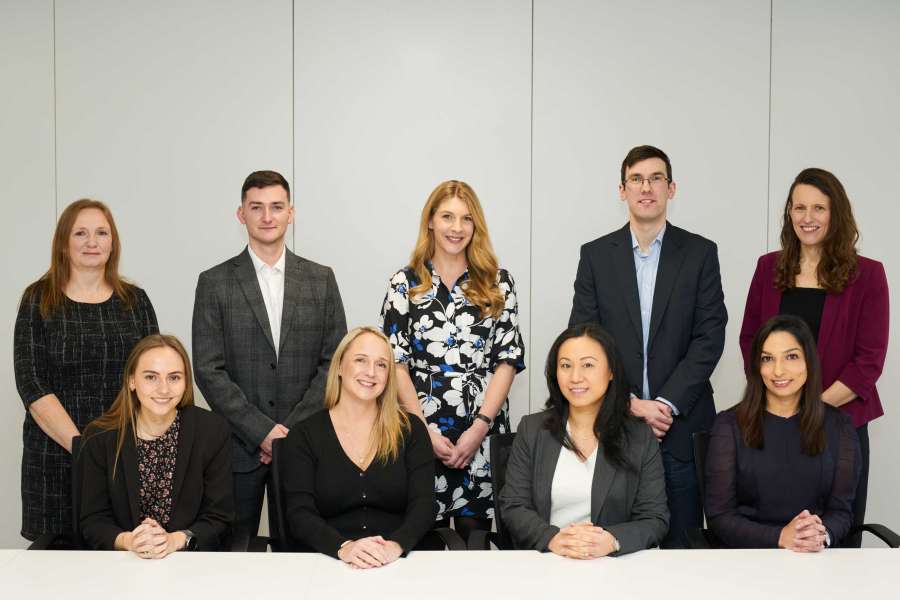
Testimonials

Legal 500, 2027
The lead partner, Bik-ki-Wong, is able to understand complex situations quickly and devise practical solutions.

Mr Staples
Outstanding service from Aalia Ijaz and her team. I would recommend Myerson 100%.
Mr. Fox
Ben kept me informed at all times. He dealt with my case in a quick and professional manner.
Mr. A
I dealt with Hannah Owens and she was extremely helpful and professional. As a result, I would have no hesitation in recommending your firm to my friends if they required legal advice.
Mrs & Mr Brighouse
Hannah Owens really understood our requirements. She explained various options, including the use of trusts, and had a deep understanding of the issues & tax legislation. She was very easy to talk to.
Mrs & Mr Wells
Laura Willis was very professional and dedicated a great deal of time to preparing our wills. Overall, we felt we were truly getting our money’s worth.
Legal 500, 2027
Excellent teamwork and very professional.
Legal 500, 2027
Laura Willis - Laura is an absolute credit to her profession. I have worked with Laura for over ten years, and she has a wonderful ability to explain complex legal matters to clients.
Legal 500, 2027
Clare Staunton is the main person I've dealt with, and she's been great with the client work we've done together.
Legal 500, 2027
Great client service and clear quality.
Legal 500, 2027
Ben Murphy has been my contact throughout, and he has been brilliant.
Mr Lee
Ever since appointing Myerson, I have received the best of advice and action on matters of great concern to my family.
Mr Barker
Having dealt with many lawyers over the years, it was refreshing to find Myerson who were professional, prompt, courteous, along with going the extra mile for their clients. Very impressive. Thank you.
Mr Gough
Great staff and all conducted in an informative and constructive way. Nice new office which created the right atmosphere for my visits.
Mr. Frame
Myerson were extremely helpful in liaising with me to submit an application to the Court of Protection. The solicitor was very knowledgeable and efficient in obtaining the required information and processing the paperwork in a timely manner. I am delighted with the standard of the work.
Legal 500, 2024
Approachable, knowledgeable and competent.
Heather
Laura undertook to complete the distribution of my husband's will since my previous solicitor was unable to do it. A difficulty had arisen from the way the Inheritance Tax had been paid and Laura explained that I could solve my problem with a Deed of Assignment. I was happy to let her prepare this for me
Peter
Our business was dealt with by Bik-ki Wong who impressed us with her competency and efficiency, whilst remaining friendly and helpful at all times. Our queries were answered clearly and promptly giving us confidence that our business would be carried out to our complete satisfaction
Anonymous
Myerson have been our solicitors for several years. They have guided my husband and I in arranging making wills, lasting power of attorney and initially, after the death of my husband through the process of probate.
Mrs. Westwood
Compared to my original solicitors Myerson have been excellent. Hannah Owens has provided clear explanations of the various options available to us, timely responses, and has been upfront about the expected costs.
Mr P
Handled our personal wills very professionally. Really clear and “no-nonsense” approach which we really appreciated
Ruth
I contacted Myerson as I was unable to find a solicitor in Ireland to deal with UK probate for my father's estate as there was a possible complication with domicile. Clara Staunton initially, then Hannah Owens were friendly, helpful, efficient, and proactive in dealing with the case, kept us informed all through the process, followed up without prompting from us and indeed prompted us when needed. It was a pleasure to deal with Hannah and Clara, and I would have no hesitation in recommending them.
Peter Brett & Elizabeth Brett
The service that Myerson provided was excellent. All aspects and options regarding my Will were discussed and explained to our understanding. Based on our experience we would not hesitate to recommend your Company to friends and family.
Legal 500, 2024
They go the extra mile to help their clients.
Anonymous
Laura Willis and Bik-ki Wong have been a credit in resolving my issue and ensured the process was both timely and transparent. Thank you!
Susan
I cannot recommend this firm highly enough. During a very difficult time after the death of my husband, we were treated with the utmost sensitivity and compassion. Hannah at Myerson, in particular, supported my family extremely efficiently throughout the whole process of probate. Communication was frequent and nothing was too much trouble.
Joyce Mann
Clara was very efficient in dealing with my late husband’s Will. Clara was always available to help in any way. Very caring and understanding, that is very important to clients. I must mention your reception team were always happy to help.
Anonymous
I was very impressed with the care and attention that was given to me by Clara Staunton. She went through everything with me and everything was completed in a very short time even though she had to get things signed by one of my sons who lives in New Zealand. I would recommend your firm to anyone who needed a good reliable solicitor. Once again, thank you for everything.
Mr. Wallace
Excellent proactive support to myself and my business led by Clara Staunton and Charlotte Peers who were both excellent every step of the way.
Phil
Handled our personal wills very professionally, really clear and “no-nonsense” approach which we really appreciated
Legal 500, 2024
The team at Myersons continue to provide excellent support to this Family Office. They are diligent professionals always on hand with expert advice delivered in a friendly and meaningful way.
Legal 500, 2024
Very experienced and highly skilled team. Very good to work with on those matters where collaborative working required.
Mr. Lee
Everything that you have touched in what has been a difficult time for me has been dealt with promptly and in the knowledge that I am not at my best. I value the care you have shown.
Why Choose Myerson's Wills, Trusts, and Probate Team?
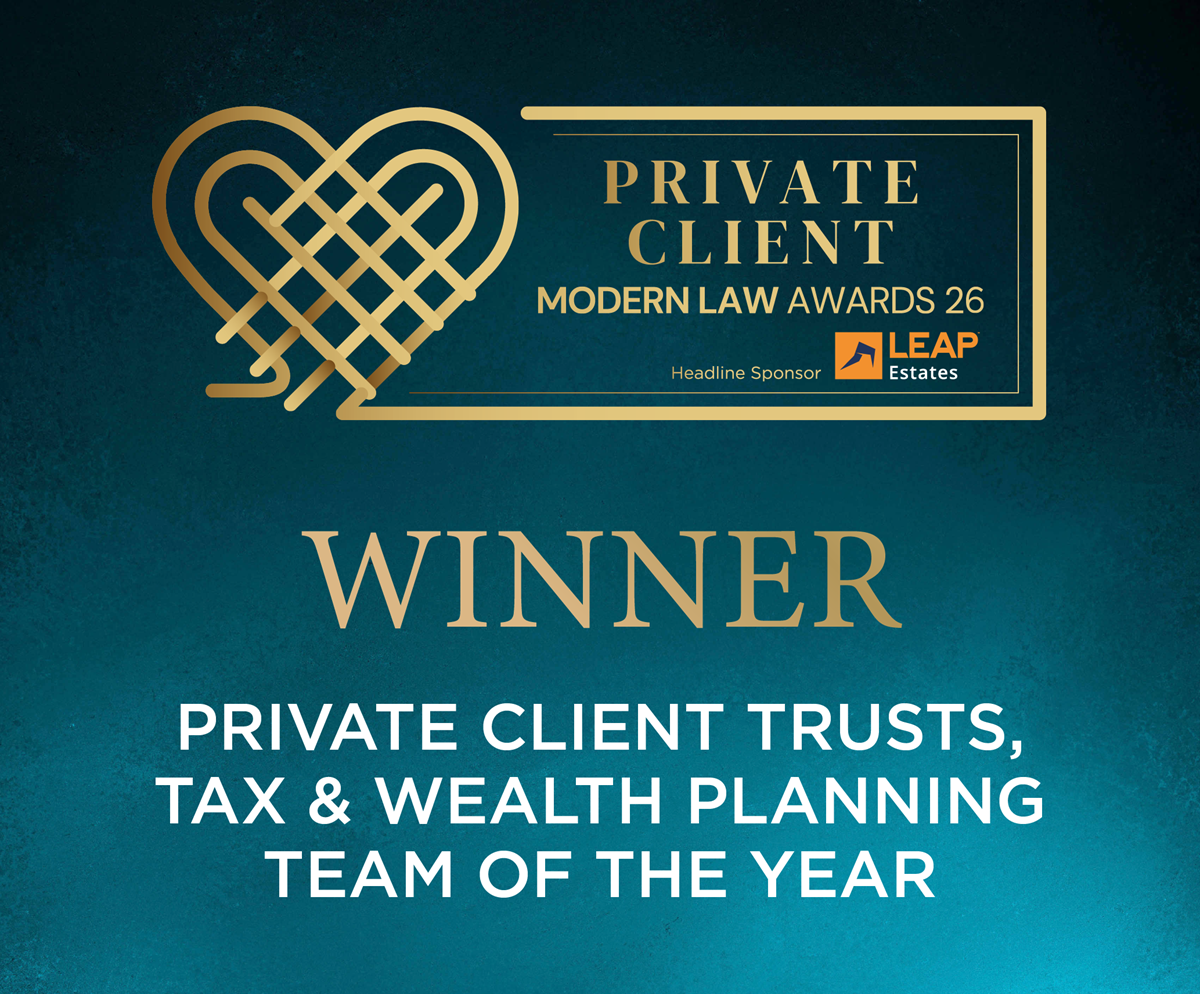
- Recognised Expertise: Our Private Client team is recognised as one of the UK's leading private wealth practices, winning Private Client Team of the Year – North of England and Private Client Trusts, Tax & Wealth Planning Team of the Year at the Private Client Modern Law Awards 2026, as well as being Highly Commended for Probate & Estate Administration Team of the Year. We also hold a Band 2 ranking in the Chambers High Net Worth Guide and have been recognised as a Top Tier firm by The Legal 500 for the past seven years.
- Qualified Professionals: Our team holds additional qualifications in trust administration and tax regimes for trusts, along with the prestigious STEP (Society of Trust and Estate Practitioners) qualification. We have extensive experience setting up and managing live trusts, ensuring we understand the practicalities of trust operation and drafting.
- Comprehensive Support: We provide tailored advice that respects each client's unique circumstances and understands the emotional weight of estate matters. Our solicitors handle sensitive situations with care, offering support throughout the process.
- Holistic Approach: Our holistic strategy allows us to identify tax-saving opportunities and mitigate unexpected liabilities. We ensure clients comprehend the purpose and functioning of trusts, providing city-quality advice at regional prices.
- Partner-Led Service: Our partner-led approach guarantees the best legal advice and commercially minded support. We collaborate with corporate, family and property law teams, delivering a comprehensive service that addresses all aspects of estate management.
- Specialist Expertise: Our highly ranked team in The Legal 500 and Chambers for personal tax, trusts, and probate works closely with our contested wills solicitors to provide expert advice tailored to your needs.
- Recognised Leaders: Bik-ki Wong, Head of our Private Client team, has been recognised as one of the top influential private wealth lawyers in Manchester (2023) by Business Today and as one of the best probate and wills lawyers for high-net-worth individuals in the UK (2023) by Spear's.
- Extensive Network: Through our UK200 Group membership, we have strong connections to Independent Financial Advisers (IFAs) and tax advisers, offering comprehensive support tailored to your specific requirements.
- Catering to Diverse Needs: Our team includes Cantonese speakers, ensuring effective communication and understanding in managing estates.
- With our MSI Global Alliance Membership, we can connect you to trusted advisers in 100+ countries who can provide international legal advice for individuals and families.
- Look at the Myerson Promise for further benefits of working with us here.
Trusts FAQs
What is a Discretionary Trust and why direct funds to it?
A discretionary trust is a trust where you nominate a range of potential beneficiaries (usually spouses, children, and grandchildren). You will appoint trustees who will manage the trust assets.
Who you appoint as trustees will depend on the circumstances and your reasons for using the trust.
The trustees have complete discretion to pay out income and/or capital from the trust to any of the beneficiaries listed at any time.
No beneficiary has an automatic right to the funds. They cannot demand funds, and not one of the beneficiaries actually owns any of the trust assets.
As no one has an entitlement to the trust assets (unless the trustees decide otherwise), the assets do not belong to any individual beneficiary and are not included in their estate at death.
Similarly, they do not belong to any individual beneficiary if they should get into financial difficulties or get divorced (although assets in trust on divorce may be challenged by a matrimonial court).
Discretionary trusts are used for a variety of reasons, including tax-efficiently passing wealth on to grandchildren and further descendants, and protecting assets and vulnerable beneficiaries.
This sort of trust can be useful for protecting against care fees if an individual leaves assets to a trust rather than to the surviving spouse upon death. If the surviving spouse goes into care, the assets in the trust are not part of the survivor’s estate, and the local authority cannot recover them to help pay care fees.
The trust can last for up to 125 years, allowing wealth to be passed down generations. If leaving assets to children directly will simply add to an already taxable estate, you may leave assets to a trust to pass them on to the grandchildren and further descendants.
Many people use trusts so that a beneficiary benefits from the funds but does not have control over them.
For example, this may be due to the beneficiary being poor at managing money, having issues with addiction or being susceptible to outside influences.
This sort of trust can also be used for minors or disabled individuals.
A discretionary trust offers flexibility. As the trustees control when funds are used or paid out, they can make decisions based on the circumstances at the time.
What is the The Nil Rate Band Threshold?
Every individual has an inheritance tax (“IHT”) threshold of £325,000 before any inheritance tax is payable on their estate.
There is also no tax to pay on gifts between spouses, and it is possible to use the unused nil-rate band of the first spouse to die, against the second spouse’s estate when they die.
If an amount above the nil rate band is given to a discretionary trust, there are inheritance tax implications.
When a trust holds assets to a value of more than £325,000, there is a charge to tax every ten years at a maximum rate of 6% on the assets in the trust which exceed the inheritance tax threshold at that time.
There is a proportionate charge on capital paid out of the trust between ten-year anniversaries.
If you set up a discretionary trust during your lifetime, rather than in your Will, there will be an immediate IHT charge at 20% on any amount transferred into the trust that exceeds the £ 325,000 threshold.
Assets that benefit from business property relief are not subject to IHT at any time.
Please note that the residence nil rate band will not apply where the property is left to a discretionary trust.
However, it should be possible to distribute the asset from the trust to eligible beneficiaries within 2 years of death.
This should therefore not deter people from leaving assets to a discretionary trust if it is a good option for their circumstances.
You should ensure that your trustees receive proper advice at the time so that the trust assets are managed in the most tax-efficient way.
What is Capital Gains Tax (“CGT”)?
From 30 October 2024, trusts pay CGT at a rate of 24% on any gains after applying the Annual Exemption. Trusts have an annual exemption equal to half that of an individual, so this equates to £1,500 (or £3,000 for vulnerable person trusts).
Business Asset Disposal Relief may be applicable in certain circumstances.
Why do I need to be aware of Income Tax?
If the trust is going to receive income, then you need to be aware of the income tax implications.
For discretionary trusts (and other trusts part of the relevant property tax regime), no income tax is payable if the total income in any given tax year is less than £500.
If the Trust income exceeds that amount, the trust will pay income tax at 45% on most income and 39.35% on dividends.
Beneficiaries who receive income from the trust, and who pay tax at lower rates (or not at all), can reclaim the difference. In addition, if a beneficiary has an entitlement to trust income (which the trustees can create or revoke) and they receive that income directly, the share of trust income they receive is treated as their own income and taxed accordingly.
What are trustees duties?
Trustee duties are recorded in legislation or confirmed in case law.
Trustees are responsible for looking after the Trust's assets, and must always act in the best interests of the Trust and act impartially between the Beneficiaries.
Trustees have fiduciary duties, including duties of confidentiality, a duty of no conflict, and a duty not to profit from their position. In addition to their fiduciary duties, the Trustees owe duties of skill and care. The standard of care depends on whether a Trustee is acting in a professional capacity.
At a minimum, the trustees should review the trust every year to check the trust funds and the needs of the beneficiaries; complete any tax returns and submit them to HMRC; and keep trust accounts.
Any decisions made should be recorded in minutes and as trustees’ resolutions. Formal deeds of appointment may have to be drawn up before payments are made to any beneficiary.
How is my money invested in trusts?
As well as complying with a statutory duty of care, Trustees must comply with the relevant provisions relating to investment in the Trustee Act 2000. The TA 2000 gives Trustees the power to make any investment they could have made if they were absolutely entitled to the Trust's assets, but this general power does not extend to land. Trustees must review investments from time to time to assess their suitability and diversity. Trustees should take financial advice from a suitably qualified person.
How is a trust taxed?
The tax treatment depends on the type of Trust. A bare trust is usually transparent for tax purposes, and the beneficiary is taxed as if they own the assets.
Charitable and offshore trusts have specific rules. Most other trusts will fall within the relevant property trust tax regime.
The trust itself does not incur tax; instead, tax may fall on the Trustees, the person creating the trust, and/or the Beneficiaries. The taxes applicable to Trusts are:
- Inheritance Tax (IHT) - potentially on the creation of the Trust, whenever assets are distributed out of the Trust and every 10 years.
- Capital Gains Tax (CGT) – interacts with IHT, and hold-over relief may apply.
- Income Tax – applies differently to different categories of the Trust.
- Stamp Duty (SDLT or SDRT)
- Value Added Tax (VAT)
How long can a trust last?
Except for charitable trusts, the law has long prevented people from keeping assets in trusts indefinitely. Any trusts created now are subject to a maximum term of 125 years from the date of their creation. A trust may be set to end when a Beneficiary reaches a certain age, or when a certain event occurs, as long as this is within the 125-year period. Older trusts may have different fixed periods, and typically, it would have been 80 years.
Who can act as a trustee?
In principle, anyone can be a Trustee as long as they are over 18 and have the mental capacity to act.
A Trustee can be the person creating the Trust who wishes to retain control over the trust assets, a Beneficiary (but keep in mind a potential conflict of interest if there are other beneficiaries who are not trustees), a professional person (they will be the most impartial but will charge for acting), any other individual, a company and/or a limited liability partnership.
It is important to choose Trustees carefully and trust that they have the relevant skills to carry out the duties. You should have at least 2 trustees and no more than 4.
Trustees have to act unanimously so they need to be able to work together.
How can a trust help with inheritance tax planning?
If you survive 7 years from creating a Trust during your lifetime and do not retain any benefit from the trust, then the assets in the Trust will not form part of your estate for IHT purposes on your death.
A Trust can be a preferable way to give assets away for IHT purposes without giving the assets outright to beneficiaries who may still be minors or vulnerable, as it will allow you to retain control over how the trust assets are dealt with and applied if you also appoint yourself as a Trustee.
Trusts in Wills can also help to mitigate IHT. For example, if you own business assets or agricultural assets, then you could leave these assets in a trust on the first death to maximise the available reliefs and exemptions that will potentially result in an overall IHT saving.
The trust can also reduce the value of the estate passing to a surviving spouse, which could allow your estate to qualify for other IHT reliefs such as the Residence Nil Rate Band.
How do you set up a Trust?
Once you’ve chosen the right trust structure, the next question is usually timing and cost.
While every matter is different, setting up a trust typically involves gathering information about your goals and assets, confirming the beneficiaries and trustee arrangements, drafting the trust documents, and then completing any required registrations and administrative steps.
What do I need to consider before setting up a Trust?
Assets can be sold to or gifted into a trust. When considering making a gift, ensure you will have sufficient funds available for your own needs after the gift. If the gift into trust is to reduce the value of your estate for Inheritance Tax purposes, you must not retain any benefit;: otherwise, the trust assets will still form part of your estate.
Questions you should consider include what is the purpose of the trust; what type of trust will be suitable; are there tax consequences on transferring into trust and what is the position in relation to ongoing tax; who is suitable to administer the trust; is the cost of setting up a trust proportionate to the benefit?
You should consider which assets will be transferred into the trust.
Cash is usually easier than investments or property, which may trigger a transfer for CGT purposes.
Trusts can be a good way of passing down wealth and asset protection, and are often used in conjunction with Family Investment companies, which are set up with a nominal value.
What tax implications do I need to consider?
Depending on the type of trust being set up and the assets transferred into it, the main taxes are usually Inheritance Tax, Capital Gains Tax, Income Tax, and Stamp Duty. If the value of the assets being transferred into a Trust exceeds the available Nil Rate Band (currently £325,000), there may be an immediate Inheritance Tax charge of 20% on the balance over and above the Nil Rate Band.
How long does it take to set up a trust?
In many cases, a straightforward trust can be prepared within a few weeks, but the timeline can be longer where there are more complex assets, multiple beneficiaries, or additional tax and legal considerations.
If the trust is being created as part of a Will, the process may also depend on how quickly your Will is finalised and signed. Your solicitor will confirm an estimated timeframe after reviewing your circumstances.
How much does it cost to set up a trust?
Trust costs vary depending on the type of trust, the complexity of the drafting, and whether there are ongoing steps such as trust administration support or tax advice.
Costs may also be affected by the nature of the assets being transferred (for example, cash versus property) and whether any additional documentation is needed. We’ll provide clear cost guidance upfront so you can understand what’s included before work begins.
If you’re considering trusts in your estate planning, it’s worth speaking to a trust solicitor early so you can plan around both the legal steps and the practical expectations - timeframes, fees, and what happens next.
Trusts can be created without documentation through conduct alone; however, it is best to document the terms of the trust to ensure that there is no ambiguity and to create records for reporting purposes, especially when third parties are involved, for example, HMRC, banks, etc.
It’s possible to create a trust without a lawyer, but it’s important to understand the risks. In some situations, a trust can be formed informally (for example, where someone’s words or conduct clearly show an intention to create a trust and the trust property is identified).
However, for most people planning their estate, the practical challenge is getting the details right — so the trust works as intended and can be administered properly later.
When you create a trust yourself, common issues include unclear wording, the wrong trust structure for your goals, missing or incomplete trustee arrangements, and failing to consider the tax position (including Inheritance Tax and Capital Gains Tax). These problems can lead to delays, disputes among beneficiaries, or costly corrections.
For that reason, many clients choose to speak to a trust solicitor to ensure the trust documents are drafted correctly, the trustees understand their duties, and the plan is aligned with your wider estate planning and tax planning objectives. If you’re considering a DIY approach, we can also review what you’ve drafted and advise on any gaps before you proceed.
When setting up a trust, you’ll need to decide:
- Which assets will be transferred into the trust
- Who the trustees will be to manage those assets
- Who the beneficiaries are
- When and how benefits can be paid
In the UK, many trusts must also be registered and kept compliant with HMRC requirements. This typically involves submitting the trust’s details to the Trust Registration Service (TRS) and ensuring the information is accurate and up to date as circumstances change.
Your trust solicitor can help you understand whether your trust is in scope, what information must be provided, the key deadlines, and what ongoing reporting or record-keeping is required to stay compliant.
How do I choose the right trust solicitor?
Choosing a trust solicitor is one of the most important steps in getting your trust right, because the quality of the drafting and the ongoing trust administration can affect how well your plan works in practice.
When you’re comparing options, look for a firm that can demonstrate:
- Trust experience across the right type of trust: Ask whether they regularly advise on the specific trust structure you’re considering (for example, discretionary trusts, bare trusts, or life interest trusts).
- Specialist knowledge of trust tax planning: Your solicitor should be able to explain the likely Inheritance Tax (IHT), Capital Gains Tax (CGT), and Income Tax implications, and how those rules apply to your circumstances.
- Ability to draft and implement the trust correctly: The solicitor should prepare the trust documents (including those that include trusts in a Will or set up during your lifetime) and ensure the terms are clear and workable.
- Practical guidance on trustees and administration: Good advice doesn’t stop at signing — your solicitor should explain trustee duties, record-keeping, and what ongoing steps may be required.
- Clear communication and cost transparency: You should receive straightforward explanations, realistic timeframes, and a clear understanding of fees before work begins.
- Relevant professional credentials: Membership of bodies such as STEP (Society of Trust and Estate Practitioners) can be a helpful indicator of specialist competence.
If you want confidence that your trust is set up properly and managed with the right level of expertise, it’s worth speaking to a team that deals with trusts regularly and can support you from planning through to administration.
Meet Our Wills, Trusts, and Probate Lawyers
Home-grown or recruited from national, regional or City firms. Our wills, trusts, and probate lawyers are experts in their fields and respected by their peers.
Darren Christopherson-Smith
Darren is a Solicitor in our Wills, Trusts and Probate Team
Contact Our Experts
You can contact our lawyers below if you have any more questions or want more information:
0161 941 4000
Latest Myerson Wills, Trusts, and Probate News

Myerson Solicitors Celebrates Double Win At British Wills and Probate Awards 2026
We are delighted to announce that we have secured two national accolades at the British Wills and Probate Awards 2026 , recognising the strength and expertise of our Private Client team. As a Top 200 UK law firm, we were proud to take home two prestigious awards at the national ceremony held on Thursday, 8th October: Probate Provider of the Year...
Read News
Solicitor Closed Down? What Happens to Your Will and How to Find It
Has the firm that drafted your Will closed down? Don’t panic! There are still ways to locate and obtain your Will. Our Wills Lawyers explain what may happen to your Will and other original documents in this situation.
Read Blog
4
Planning for the Future: Succession in Farming and Rural Businesses
Practical succession planning for farming families, covering business structures, Wills, trusts, land and protecting the future of the farm. Succession in farming is about much more than passing on land. It involves protecting the future of the family, the farming business and the assets that have often been built up over generations.
View Event
Cohabiting Couples and Inheritance: Could the Intestacy Rules Be About to Change?
The Ministry of Justice has opened a public consultation, ‘ A Fairer End to Relationships ’ , which aims to strengthen the legal rights of cohabitees within the England and Wales. Cohabiting couple families in England and Wales now account for 17.6% of all families , yet the current law still treats married and unmarried couples very differently...
Read Blog
Myerson Magazine Summer 2026 Issue
We're pleased to share the latest issue of Myerson Magazine, bringing together practical legal insights, updates on significant legislative changes and stories from across the firm. In this Summer edition, our experts explore the legal issues affecting individuals, families, business owners and property investors, from the Renters' Rights Act and...
Read Newsletter
How Long Does Probate Take?
The probate process is one that many people are forced to approach for the first time in their lives at what can often be a distressing and uncertain time. Of the many questions that arise when probate is required, a common one is “How long does probate take?” Our Wills, Trusts and Probate Lawyers explain the process and timeframes below...
Read Blog