


Earlier this year, we discussed recent data from the campaign group Pregnant Then Screwed, which revealed that approximately 74,000 women a year lose their jobs simply for being pregnant or for taking maternity leave.
Research by the Equality and Human Rights Commission (EHRC) found that 11% of new mothers felt forced out of their jobs, either because they were treated so poorly they felt they had to leave (9%) or were dismissed (1%) or made compulsorily redundant (1%).
These statistics are deeply concerning and indicate that, despite existing laws, further action is needed to tackle the unfair treatment that still continues.
In light of this, the UK government has launched a consultation on ‘Enhanced dismissal protections for pregnant women and new mothers’ as part of its plans to ‘Make Work Pay’. Our Employment Lawyers explore the proposals.
What protections already exist?
At present, several laws protect pregnant women and new mothers:
- Protection from discrimination - pregnancy and maternity are recognised as ‘protected characteristics’ under the Equality Act 2010. As a result, it is unlawful for an employer to treat a woman unfavourably during or after a ‘protected period’* because of her pregnancy, pregnancy-related illness or maternity leave.
*The protected period starts when a woman’s pregnancy begins and ends at the end of the additional maternity leave period, or equivalent (if she has the right to ordinary and additional maternity leave, or equivalent) or (if earlier) when she returns to work. If a woman doesn’t have a right to ordinary and additional maternity leave or equivalent, the protected period ends two weeks after the end of the pregnancy.
- Protection from dismissal – it is automatically unfair to dismiss a woman (or select her for redundancy) if the reason for her dismissal (or selection) is connected with her pregnancy, pregnancy-related health issues, maternity leave or birth (if she is dismissed whilst on maternity leave). If a woman is dismissed for reasons which are not related to pregnancy or maternity, she may still have a claim for ordinary unfair dismissal (subject to length of service requirements) if the employer dismisses her for a reason other than one of the five ‘potentially fair’ reasons and the employer did not act reasonably in all the circumstances. The five ‘potentially fair’ reasons for dismissal are:
- Conduct – related to the employee’s behaviour.
- Capability – inability to do a job due to poor performance or health issues.
- Redundancy – when a role is no longer required.
- Statutory prohibition – when continuing employment would break the law.
- Some other substantial reasons (SOSR) – other justifiable reasons, including a substantial breakdown of the working relationship, for example.
- Enhanced redundancy protection – where a pregnant woman or new mother’s role is at risk of redundancy during the ‘protected period’**, she has the right to be offered a suitable alternative role (where one is available) over and above those also at risk. If the role is not offered, then a dismissal on the grounds of redundancy will be automatically unfair. This protection also applies to employees who take adoption leave, shared parental leave and neonatal care leave (subject to length of leave).
**The protected period starts when the employee notifies the employer of pregnancy and ends 18 months after the child’s birth.
However, despite the above-mentioned protections, the data demonstrates the ongoing issues which women are experiencing in the workplace, particularly in relation to dismissal.

What is the government consulting on?
Through the Employment Rights Bill and regulations, the government intends to introduce legislation that will make it unlawful to dismiss pregnant women, mothers on maternity leave and mothers who have returned to work for at least six months, except in ‘specific circumstances’.
The purpose of the consultation is to seek views on how these enhanced dismissal protections should work in practice, specifically seeking views on the following:
- What the ‘specific circumstances’ should be
- When the enhanced protection should start and when this should end
- Whether the protections should also apply to other types of family leave
- How best to support businesses through the change
- What potential unintended consequences may arise from enhanced dismissal protections, and how to mitigate against any of these
In addition to seeking views on the above points in relation to enhanced dismissal protections for pregnant women and new mothers, the government has also confirmed that the consultation seeks views on general measures that could be taken to address workplace disadvantages caused by pregnancy and maternity.
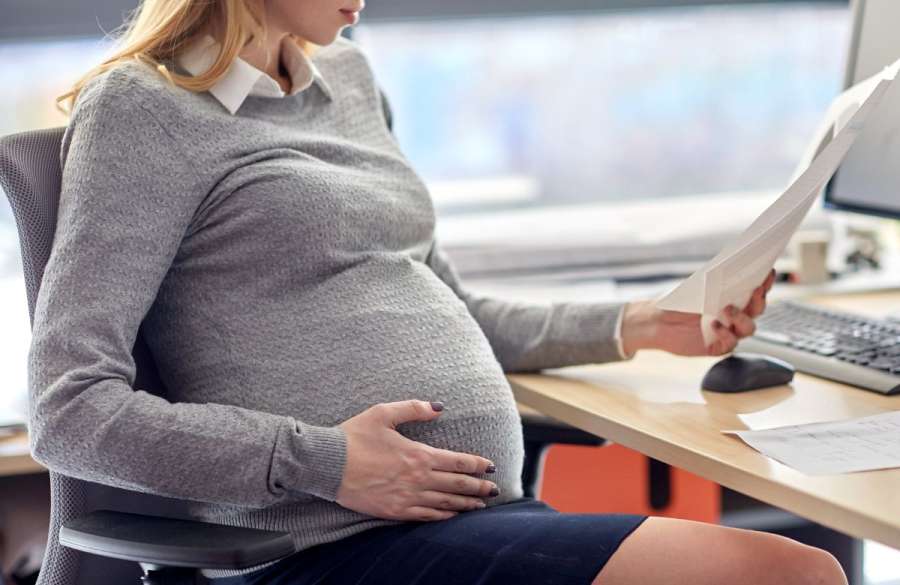
Key areas proposed for review
Specific Circumstances
The recent consultation focuses on seeking views on how to define the ‘specific circumstances’ in which it should be lawful to dismiss a pregnant woman or new mother. The government is considering the following two options to enhance dismissal protections:
- Option 1: Introducing a new general fairness test: This option would involve employers relying on the above-mentioned five ‘potentially fair’ reasons for dismissal, but employers would also have to meet a higher threshold when relying on that to dismiss a pregnant woman or new mother. Under this option, the consultation provides the example that employers would still be required to show a fair reason and would also have to show the dismissal was necessary, to avoid serious harm to the business or other staff, for example.
- Option 2: Narrowing the scope of and/or removing some of the ‘potentially fair’ dismissal reasons: This option would involve limiting the ‘potentially fair’ reasons for dismissal when applied to new mothers and pregnant women and potentially removing some altogether. Examples of the proposed changes include:
- Conduct – to apply only in cases of gross misconduct.
- Capability – to remove this as a fair reason.
- Redundancy – to be narrowed further so that this can only be relied upon in circumstances of ‘pressing need’, such as closure or severe financial difficulty.
- Statutory prohibition – to require the employer to offer a woman a suitable alternative role (to which the statutory prohibition does not apply) or consider unpaid leave (where the prohibition is temporary) prior to dismissal.
- Some other substantial reasons (SOSR) – to remove this as a fair reason or to be narrowed so it only applies in circumstances where continued employment would seriously harm the business or pose a health and safety risk to customers, staff, or the public, for example.

The Protection Period
Given the Employment Rights Bill is seeking to remove the current two-year ‘qualifying period’ for unfair dismissal claims, the consultation is also seeking views on when the enhanced dismissal protections for pregnant women and new mothers should start and whether this should be when the employee: becomes pregnant; becomes aware they are pregnant; or informs their employer that they are pregnant.
Existing protections in relation to redundancy start when the employee informs the employer that she’s pregnant. However, it’s acknowledged that performance, attendance and behaviour at work may be affected due to pregnancy, before the employee even knows that they are pregnant.
Views are also being sought on when the protection should end and whether this should mirror the existing protected period in relation to redundancy rights (being 18 months from the birth of the child, regardless of whether the full 52 weeks of maternity leave was taken) or whether this should be for a period of 6 months from return to work (with return to work being the date the maternity leave ends, even if earlier than 52 weeks). Consideration will also need to be given to those who are not entitled to maternity leave.
When considering the ‘protection period’, the government has noted that it will have to balance the risk of a reluctance to recruit women of childbearing age (if the protections are made a day one right) versus the risk of inconsistency with other maternity protections, such as enhanced redundancy protections (if a qualifying period is introduced).
Extension to Other Types of Leave
The consultation also asks whether these stronger protections should also apply to adoptive parents, those taking shared parental leave, or future neonatal care leave.
The consultation indicates that those on paternity leave will not be considered for the enhanced dismissal protection, given that the period of statutory paternity leave remains at two weeks.
Why does this matter for employees?
If these proposals become law, they could offer some of the strongest protections against dismissal in the UK, helping to ensure that pregnancy or motherhood is never used as a reason to lose your job.
These changes would mean:
- Greater job security from the moment you tell your employer you’re pregnant
- Extra protection from redundancy or performance-related dismissal while you adjust to parenthood
- More confidence when returning to work after maternity leave

What can you do now?
The consultation is open until 15 January 2026 and any new measures (whatever form these take) will not be implemented until 2027. However, there are steps you can take to protect yourself right now under existing law:
- Tell your employer about your pregnancy in writing once you feel ready. This triggers your legal rights to time off for antenatal care and protection from unfair treatment.
- Keep records of any conversations, emails, or meetings about your pregnancy, maternity leave, or return to work.
- Know your rights – your employer cannot dismiss or treat you unfavourably because of pregnancy, pregnancy-related illness or maternity leave.
- If your role is redundant, your employer must offer you any suitable alternative vacancy before considering anyone else.
- Seek advice early if you feel pressured, sidelined, or treated unfairly. The timeframe to bring a claim still currently remains at three months less one day from the date of discrimination and early advice can assist with early resolution, without the need for lengthy litigation.
- Watch for updates – ensure you are familiar with the proposed reforms. We’ll be posting updates as soon as further detail is provided.
How we can help
Here at Myerson, we specialise in advising both employees and employers on pregnancy and maternity and other family-friendly rights, to ensure everybody is getting this right and that the correct legal processes and protections are being applied and benefited from.
If you are worried about redundancy, dismissal or unfair treatment linked to pregnancy or maternity, get in touch with our employment team, and we can help you understand your options, challenge unfair treatment, and protect your employment rights.
Alternatively, if you are a business looking for support in how to ensure your organisation is compliant now and in relation to any future changes in the law, please contact our specialist employment team.
We have vast experience in advising both sides on maternity and family-friendly matters, and we can assist you in implementing best practices and/or dealing with unique cases, as well as staying on top of and adhering to the government’s changes.

Contact Our Employment Team
Concerned about dismissal, redundancy, or unfair treatment linked to pregnancy or maternity?
Contact Myerson’s Employment Law experts for confidential advice.
0161 941 4000
Latest Employment News
Myerson Magazine Autumn 2026 Issue
Welcome to the latest edition of Myerson Magazine, where we share practical legal advice, expert insights and news from across Myerson Solicitors. In this issue, we cover some of the important legal considerations that arise at different stages of life, from protecting family wealth and planning for the next generation to understanding your...
Read Newsletter
AI In the Workplace: Employment Law Risks Employers Should Be Aware Of
AI is very quickly changing the way the modern workplace operates. It is being used for streamlining the recruitment process, analysing productivity and absence data, drafting documents and helping with various other routine administrative tasks. In the UK, the rate of adoption of AI by companies has increased greatly with survey findings showing...
Read Blog
Employment Law Autumn Update
With significant employment law reforms approaching, employers need to understand not only what is changing but also the practical steps they should be taking to prepare their organisations. In this webinar, Myerson’s Employment Law specialists discuss the latest legislative developments, employment law reforms and key case law affecting UK...
Watch Webinar
Financial Services: Emerging Legal Risks and Regulatory Change
Financial services regulation continues to evolve rapidly, creating new legal, regulatory and compliance challenges for firms operating across the sector. In this webinar, Myerson’s Financial Services specialists discuss key developments affecting financial services businesses, from employment law and regulatory conduct to cryptocurrency...
Watch Webinar
Myerson Magazine Summer 2026 Issue
We're pleased to share the latest issue of Myerson Magazine, bringing together practical legal insights, updates on significant legislative changes and stories from across the firm. In this Summer edition, our experts explore the legal issues affecting individuals, families, business owners and property investors, from the Renters' Rights Act and...
Read Newsletter
Restrictive Covenants for Accountancy Firms: A Practical Drafting Checklist
Restrictive covenants can be a powerful safeguard, but they are only effective if they are well drafted and carefully tailored. Overly broad covenants that are wider than necessary are unlikely to be enforceable, leaving firms exposed precisely when they need protection the most. Our Professional Services Lawyers have created a checklist...
Read Blog
Vicki Fagan
Senior Associate
Vicki has experience acting as an Employment solicitor. Vicki has specialist expertise in HR issues, claims for discrimination, unfair and constructive dismissal and whistleblowing, and the preparation of employment contracts.
About Vicki Fagan