


The manufacturing sector in England and Wales is undergoing rapid change. With rising energy prices, tightening sustainability regulations and increasing property-related costs, manufacturers are facing operational pressures that cannot be ignored.
As Big Energy Saving Week (17–23 January) shines a spotlight on improving efficiency and reducing energy costs, this is a timely moment for manufacturers to reflect on how smarter lease management can support long-term sustainability and resilience.
Our Manufacturing lawyers explore the key legal and practical issues affecting industrial tenants, including energy efficiency obligations, lease structures, operational costs and end-of-lease risks, drawing on insights shared during the webinar and recent developments across the sector.
1. Embracing Sustainability: The Green Lease in Manufacturing
What Is a Green Lease?
A green lease integrates environmental performance clauses into a commercial lease. For manufacturers, whose energy consumption and carbon footprints can be substantial, these leases aim to foster collaboration with landlords to drive sustainability and reduce costs.
Green leases vary from:
-
Light green: Cooperative aspirations (for example, agreeing to discuss improvements)
-
Dark green: Binding obligations (for example, to meet specific energy performance targets, or to use specified materials and suppliers)
Why Does It Matter to Manufacturers?
Energy-efficient properties are increasingly becoming a market expectation. Properties failing to meet minimum EPC ratings risk becoming unlettable, impacting long-term operations.
Green leases often include:
-
Data sharing obligations for energy consumption
-
Restrictions on alterations that reduce the EPC performance of a property
-
Landlord access rights for green improvements
-
Cost-sharing through service charges

2. MEES Regulations: Are You Compliant?
The Minimum Energy Efficiency Standards (MEES) prohibit landlords from letting commercial properties with an EPC rating below grade “E”, unless exemptions apply.
By 2030, this threshold is set to tighten significantly, potentially to EPC “B”, and many manufacturing sites, particularly older ones, will require upgrades.
Key Points for Occupiers:
-
Check your current EPC rating
-
Understand your landlord’s rights and responsibilities around energy efficiency improvement works and who is responsible for costs
-
Factor MEES into your long-term property strategy

3. Energy Contracts and Metering: Lessons from a Recent Case Study
In a recent manufacturing case, a plastics recycler faced serious disruption and legal action due to disputes over energy contracts and faulty metering.
The Issues:
-
The landlord entered into an energy contract without consultation
-
Sub-meter installation was delayed and faulty
-
Electricity usage, including peak and off-peak consumption, became unverifiable
-
Disputes arose over billing, apportionment and potential forfeiture
Lessons Learned:
-
Confirm how electricity will be supplied, billed and monitored before signing a lease
-
Insist on sub-metering where energy usage is critical
-
Negotiate a right to be consulted on utility contracts
-
Consider engaging an independent energy consultant before entering into a lease

4. Managing Operational Costs Through the Lease Lifecycle
Operational efficiency starts with the lease:
-
Clarify what is included in service charges
-
Check whether landlords are obligated to act reasonably when incurring service costs
-
Review your rights around installing and accessing utility metering
-
Identify how costs are apportioned, especially on multi-let sites

5. End-of-Lease Risks: Understanding Dilapidations
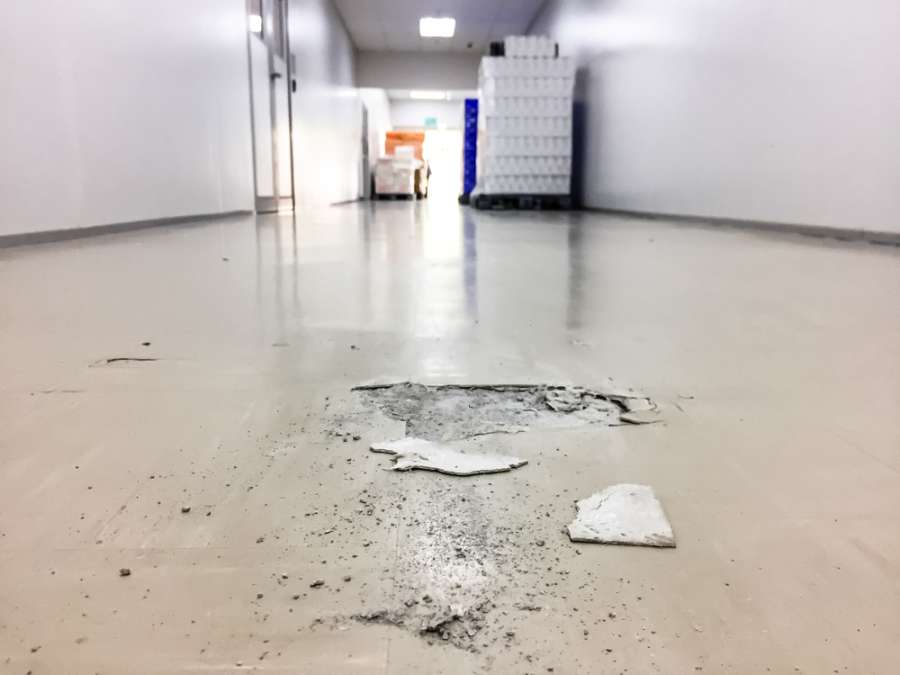
When leases end, tenants may face terminal dilapidations claims, which are legal demands to return the property in full repair or to compensate the landlord.
What Can You Be Liable For?
-
Repairs needed to return the property to the lease condition
-
Reinstatement of unauthorised alterations
-
Lost rent or business rates due to disrepair
Legal Limits on Landlord Claims:
Under Section 18 of the Landlord and Tenant Act 1927:
-
Landlords cannot claim if repairs are rendered obsolete by redevelopment
-
Claims are capped at the lower of repair costs or the reduction in the property’s value
Top Tips:
-
Commission a building survey well in advance
-
Consider using a schedule of condition to limit repair liability
-
Negotiate a dilapidations settlement where appropriate
-
Always consider the landlord’s intentions for the property after the lease ends
6. Preparing for Change: Lease Breaks and Relocation
Break clauses require strategic planning, particularly for manufacturers with heavy equipment. Missing a condition can cause a break to fail, leaving you locked into unwanted lease terms.

Conclusion: Turning Risk Into Opportunity
Property management in the manufacturing sector does not need to be a burden. By understanding your legal position, engaging early and negotiating robust lease terms, you can safeguard your operations and make your property work for your business.
As Big Energy Saving Week highlights the importance of energy efficiency and cost control, now is an ideal time for manufacturers to review how their leases support, or hinder, those goals.
At Myerson Solicitors, we partner with industrial occupiers and owners to navigate these complex challenges. Whether you are negotiating a green lease, reviewing operational costs or exiting a site, we are here to help.

Watch the webinar:
This webinar examines the impact of energy price volatility, EPC requirements and green leases on manufacturing sites, offering practical legal insights for industrial occupiers navigating complex property arrangements.
Contact Our Manufacturing Solicitors
For expert guidance on overcoming property challenges in the manufacturing sector, contact our specialist team today
0161 941 4000
Latest Myerson Manufacturing News

Buying Industrial Premises for Manufacturing: A Practical Legal Guide
For a manufacturing business, owning a site rather than leasing one offers several benefits. Although the due diligence required may be lengthy and the initial expense large, purchasing a site can give a buyer both more flexibility and certainty, without having to obtain a landlord's consent or the uncertainty that arises from lease renewals or...
Read Blog
What Due Diligence Is Required for a Commercial Property Purchase?
Purchasing a commercial property can deliver strong returns, whether through rental income received from tenants or long-term capital growth. It does, however, entail a range of legal and practical risks that, if not addressed and managed before exchange of contracts, can significantly affect the property’s value. Our Commercial Property team...
Read Blog
CO₂ Shortages: Key Legal and Contractual Issues for Manufacturers
Current geopolitical tensions in the Gulf region have renewed concerns about the resilience of global energy and industrial supply chains, increasing the risk of disruption to key inputs such as carbon dioxide. While the UK has recently agreed to invest £100 million to reopen a carbon dioxide production plant on Teesside as part of a contingency...
Read Blog
Navigating UK Immigration Changes: What Manufacturers Need to Know
For many manufacturing businesses, recruiting and retaining skilled international talent has become increasingly challenging. In this Q&A, Robert Brothers, Head of Myerson's Manufacturing Sector, speaks with immigration specialist Mohammed Hafejee, Partner at Latitude Law, to explore how recent changes to the UK’s immigration rules are affecting...
Read Blog
Ring-Fencing Risk in Manufacturing: Is It Time for a Holding Company?
Manufacturing is one of the most asset-heavy and risk-exposed sectors in the UK. When something goes wrong for the business, the financial consequences can be significant. Despite the risks associated with a manufacturing business, many still operate through a single limited company that owns everything, from the trading operation to properties...
Read Blog
Webinar: Industrial Property and Energy Efficiency: Key Legal Issues for Manufacturing Tenants
The manufacturing sector in England and Wales is undergoing rapid change. With rising energy prices, tightening sustainability regulations and increasing property-related costs, manufacturers are facing operational pressures that cannot be ignored. As Big Energy Saving Week (17–23 January) shines a spotlight on improving efficiency and reducing...
Watch Webinar
Karen Taylor
Legal Director
Karen has specialist expertise in lease renewals, breaks and forfeiture actions, claims for rent and service charge arrears and disputes arising from alienation and dilapidations issues.
About Karen Taylor