


Alongside the operational and regulatory considerations that come with running a care business, buyers must carefully assess whether the property itself is capable of supporting both current care standards and future operational needs.
From title and planning issues to leasehold liabilities and regulatory compliance, property due diligence plays a central role in identifying risk and protecting long-term value.
Our Care Home Lawyers highlight key property considerations to address when buying a care home, helping buyers avoid costly surprises, secure funding more effectively, and ensure the property is suitable for both immediate use and future adaptation.
Finding The Right Property
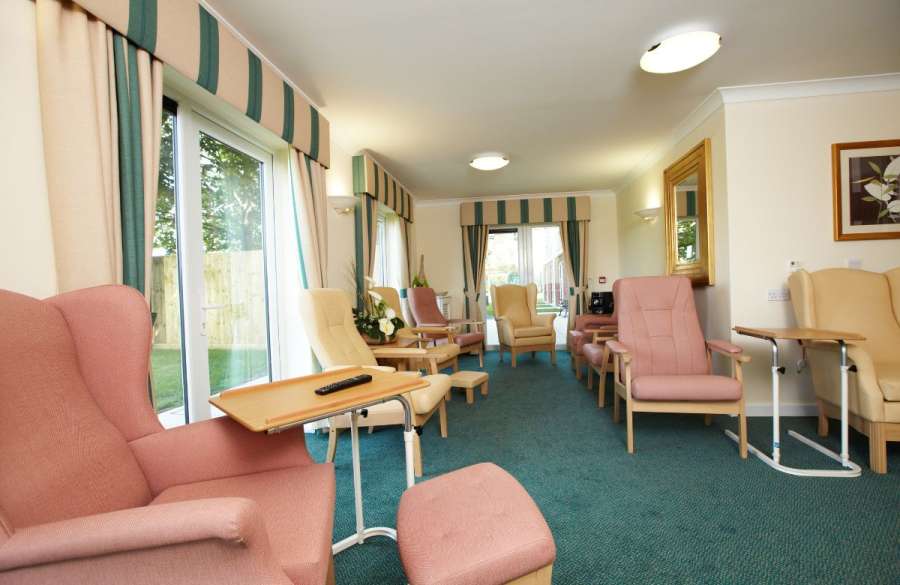
The building must be capable of supporting a regulated care environment, either in its current form or with cost-effective adaptation.
Buyers need to consider whether the building and site are fit for purpose, and whether there are any physical or legal constraints that could limit value or future use.
- Layout and configuration – whether the building can accommodate appropriate bedroom sizes, circulation space, communal areas and ancillary facilities required for the delivery of care services.
- Physical constraints – such as structural limitations, listed status or site boundaries that may restrict alterations or extensions.
- Access and location – the suitability of the location for residents, visitors and staff, including closeness to local amenities, transport links, healthcare services and reliable emergency access.
- Scope for adaptation – the ability to reconfigure or modernise the property to meet evolving standards or increase capacity.
Title Investigation
Whether the transaction is a share purchase or an asset purchase, a detailed investigation of the property title is a fundamental part of the acquisition process.
Many care homes operate from older or converted buildings that have evolved over time, and it is not uncommon to encounter title anomalies, uncertain boundaries or informal access arrangements.
These issues can have practical consequences, affecting matters such as emergency access, maintenance obligations and regulatory compliance.
Solicitors will consider whether the care home benefits from all necessary rights, including rights of way and rights to install and maintain service media, and whether the property is subject to any rights in favour of third parties.
Restrictive covenants are another key consideration.
Restrictions on use, alterations or further development may limit operational flexibility or future expansion plans.
Where appropriate, insurance solutions such as defective title indemnity policies may be explored to mitigate risk.

Leasehold Considerations
Where the care home is leasehold, the terms of the lease will be important in determining both the acquisition's viability and the property’s long-term value.
Careful review is required to ensure that the lease supports the intended use and is acceptable from both a commercial and funding perspective.
A key consideration is whether the lease is in a form acceptable to an institutional lender. Lenders will typically expect a relatively long unexpired term, clear and market-standard provisions, and no unusual or onerous restrictions that could adversely affect value or marketability.
It is also important to consider the mechanics of the transaction itself and whether landlord involvement is required.
In an asset purchase, the buyer will usually need the landlord’s consent to the assignment of the lease, and the terms of the lease will dictate in what circumstances that consent can be withheld or is subject to conditions.
In a share purchase, while the legal tenant remains unchanged, the lease may contain change-of-control provisions that are triggered by the sale of shares in the tenant company.
These provisions may require landlord notification or consent and, in some cases, may create additional obligations or rights for the landlord.
The financial arrangements underpinning the lease should also be reviewed carefully.
This includes identifying whether any rent deposit is held by the landlord and the terms on which it may be released or applied.

Dilapidations liability is a further significant area of risk.
Many care home leases are granted on a full repairing and insuring basis, meaning the tenant is responsible for keeping the property in good repair and condition, including structural elements.
Buyers should assess the property's condition and consider whether there is any existing disrepair that could give rise to liability, either during the term or at lease expiry.
A detailed survey and, where available, review of any schedule of condition will assist in understanding the extent of this risk and whether any price adjustment or protection is required.
Planning Due Diligence
Planning due diligence is fundamentally about establishing that the property can lawfully be used as the buyer intends and that its physical development history is properly authorised.
Care homes generally fall within Use Class C2 (Residential Institutions) under the Town and Country Planning (Use Classes) Order 1987.
This differs from C3 (dwellinghouses) as C2 involves professional care, rather than just supported living for small groups (C3b).
Historic planning permissions do not always align neatly with current operations.
Buyers should check that the existing use is lawful and that any alterations or extensions have been properly authorised.
Where planning documentation is incomplete, the buyer must assess whether this creates an enforcement risk or restricts future development.
This is particularly important where the business model depends on increasing bed numbers, upgrading care provision or introducing specialist facilities.
Planning due diligence should not be limited to historic compliance; it should also consider whether the care home offers the flexibility to adapt to future regulatory or commercial pressures.

Searches,Enquiries & Regulatory Compliance
Property searches and pre-contract enquiries are crucial parts of legal due diligence when purchasing a care home.
While title investigation establishes ownership and rights, searches and enquiries reveal information about the property and its surroundings that may not be apparent from the title alone.
Issues such as flood risk, access to public highways, drainage infrastructure, and environmental constraints can affect insurability, operational continuity, and regulatory compliance.
Enquiries should focus on matters such as the CQC rating, compliance history, and ensuring the property meets regulatory standards (e.g. health and safety, fire safety, asbestos management).
These issues may not prevent a transaction from proceeding, but they can affect value, running costs and exposure to operational risk.



Conclusion
Acquiring a care home requires careful analysis of the underlying property as much as the business itself.
The condition and configuration of the building, the quality of the title, the planning position, the head lease terms, and property-related compliance issues all have a direct impact on the operational viability, long-term value, and future flexibility of the business.
By identifying potential risks at an early stage, buyers can identify defects, make informed decisions, negotiate appropriate protections and avoid inheriting liabilities that may affect future profitability or expansion plans.

Contact Our Care Home Team
Buying a care home is a significant investment, and thorough property due diligence is essential to protect your interests from the outset.
Whether you're acquiring your first care home or expanding your portfolio, our Commercial Property team can guide you through every stage of the transaction.
0161 941 4000
More Care Home News and Advice

Buying a Care Home? Key Property Considerations You Need to Know
Alongside the operational and regulatory considerations that come with running a care business, buyers must carefully assess whether the property itself is capable of supporting both current care standards and future operational needs. From title and planning issues to leasehold liabilities and regulatory compliance, property due diligence plays...
Read Blog
Care Home Acquisitions: Lender Requirements and Key Considerations
Acquiring a care home can be an attractive investment for developers, investors and operators alike, but the sector’s regulatory framework, property-driven valuation and specialist funding needs create complexities beyond those of other corporate transactions. In this article, our Care Home Lawyers explore the key corporate, property, and banking...
Read Blog
Emily Sutherland
Senior Associate
Emily is a Senior Associate specialising in commercial property, advising a wide range of clients including developers, investors, landlords, tenants, lenders, and corporate occupiers. She acts on all aspects of commercial real estate transactions, delivering commercially focused and pragmatic advice.
About Emily Sutherland