


In Autumn 2025, the Central London County Court delivered a judgment that reasserts one of the core principles of English and Welsh inheritance law: that the courts are extremely reluctant to overturn a valid will unless there is compelling evidence that it was not the free and informed decision of the testator.
The case of Aysel Gencay v Dogan Halil is a striking illustration of this principle in action.
Our Contentious Probate Lawyers explore how the recent Central London County Court decision reinforces testamentary freedom and the high evidential threshold required to successfully challenge a will on grounds of capacity or undue influence.
Background
The dispute began with a family of Cypriot origin living in London. Dervishe Halil, who died in 2021 aged 94, left an estate valued at about £1.1 million.
Over several years from 2013 to 2018, she re‑wrote her will multiple times.
Initially, her estate was to be divided equally among her three children.
But by the time of her final will in 2018, she had disinherited her two younger children, including her daughter Aysel Gencay, leaving the entire estate to her eldest son, Dogan Halil.
A handwritten side letter explained her reasons, stating that because her younger children had not reconciled with Dogan or shown “love and respect,” they had been “deleted” from her will.
Aysel launched legal proceedings after her mother’s death.
She alleged that Dogan had unduly influenced their mother, persuading her to change her will and effectively “poisoning her mind” against her.
Her legal team argued that the will should be invalidated on grounds of lack of testamentary capacity and undue influence.

The Court’s Decision
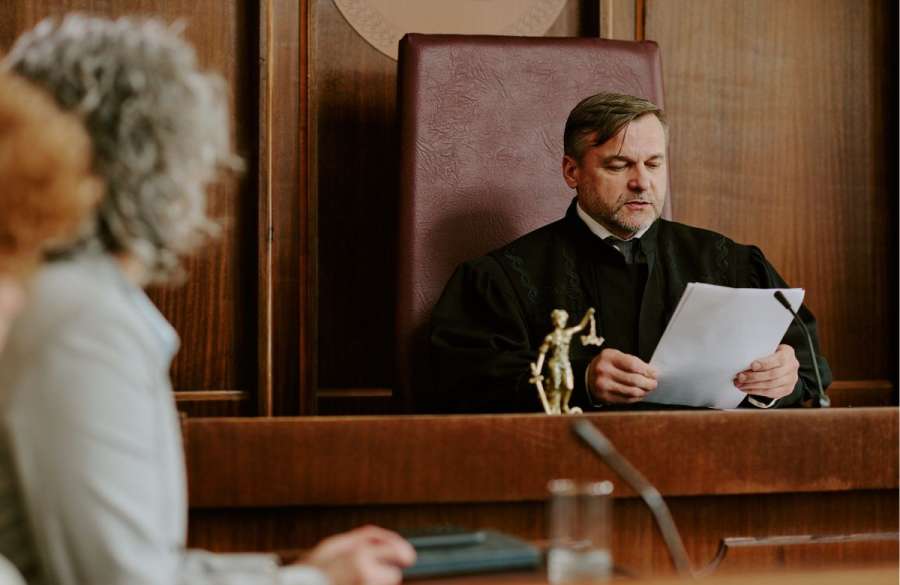
In his judgment, Judge Mark Raeside KC found in favour of Dogan.
The court was not persuaded that Dervishe lacked the mental capacity to make her final will.
Despite her advanced age and later onset of dementia symptoms, there was contemporaneous evidence from her solicitor that she was mentally sharp and understood what she was doing when the will was executed.
Crucially, the judge found no evidence that Dogan had drafted the will or the side letter or coerced their mother into making them.
He described Aysel’s allegations as a fixation rather than evidence of improper conduct.
Testamentary Freedom and Undue Influence
The outcome in Gencay v Halil highlights two key principles of English and Welsh contentious probate law:
- Testamentary Freedom: Individuals are generally free to leave their estate as they see fit, even if the result seems harsh or unexpected to family members. As long as the testator has capacity, understands their actions, and the will is what they want, their wishes stand.
- High Threshold for Undue Influence: Claims that a will was the product of undue influence face a particularly high evidential bar. It is not enough to show family pressure or hurt feelings; claimants must demonstrate actual coercion that overbore the testator’s free will. In Gencay, the court found no such evidence.
The court’s careful approach is consistent with other recent commentary and decisions stressing that courts will only set aside a will where there is clear and reliable evidence of improper interference.
Mere suspicions, similarities in language, or assumptions about family dynamics are not sufficient.

Practical Tips for Contesting a Will
As this case demonstrates, the courts set a high bar for overturning a will, so it’s important to be realistic and prepared.
Here are some key points to keep in mind:
- Collect strong evidence - If you think a will was influenced improperly or the testator did not have testamentary capacity, you will need proof. This might include medical records showing the testator’s mental capacity, notes from their solicitor, statements from independent witnesses, or expert opinions.
- Know the legal standard - To succeed, you must show that the person who made the will did not fully understand what they were doing or was pressured so strongly that they could not make a free decision. Simply being upset about the outcome is not enough.
- Respect the testator’s freedom - The law generally allows people to leave their estate as they wish. Courts are reluctant to override those wishes, even if the result seems unfair to family members.

Contact Our Contentious Probate Solicitors
If you need advice on challenging a will or defending a claim against an estate you are administering as an executor, please get in touch with Myerson’s specialist Contentious Probate Team.
0161 941 4000
More Contentious Probate News and Advice

Can I Challenge a Will if My Relative Had Dementia?
Discovering that a loved one changed their Will shortly before they died can be upsetting and distressing, particularly where the changes have an adverse effect on those closest. That is particularly true if they had been diagnosed with dementia and the contents of the Will come as a complete surprise. A question we are frequently asked is: "Can...
Read Blog
Inheritance Rights for Unmarried Couples: What Happens If Your Partner Dies?
Many couples live together for years, sharing a home, finances, and children, believing that time alone provides the same protection as marriage. It doesn’t. In England and Wales, an unmarried partner has no automatic right to inherit, regardless of how long the relationship lasted. To understand your rights and risks, this guide from our...
Read Blog
Netflix's The Four Seasons: Who Inherits If a Divorce Isn't Finalised?
Viewers of Netflix’s The Four Seasons will have followed the emotional fallout of Nick’s sudden death and the complicated situation he leaves behind. The second season of the hit comedy-drama has been praised for its sharp, often poignant exploration of midlife relationships, where love, loss, and life changes collide in ways that are both funny...
Read Blog
Surrogacy and Succession: What the Longleat Trust Case Means for Modern Inheritance Disputes
A recent High Court decision involving the Longleat estate highlights an emerging challenge in trust and probate law: applying historic trust instruments to modern family structures, particularly those created through assisted reproduction and surrogacy. Although the case is rooted in aristocratic wealth, the legal principles are widely relevant...
Read Blog
When Silence Leads to Conflict: The Most Common Disputes We See After Someone Dies
National Grief Awareness Day is a chance to reflect on the impact of losing a loved one and the challenges families can face during an estate administration. While many estates are dealt with smoothly, grief can sometimes be made worse by disagreements over a deceased person's wishes or the actions of those who have been trusted to administer...
Read Blog
Informal Agreements and Probate Disputes: The Risk of Handshake Deals
Informal family arrangements and verbal promises are a common cause of probate disputes, particularly in farming families and family‑run businesses. While these “handshake deals” may feel fair and binding at the time they are made, they can lead to costly and emotionally charged inheritance disputes after death. Our Contentious Probate lawyers...
Read Blog
Rebecca Blundell
Solicitor
Rebecca joined the team as a Solicitor in September 2024, following a period away from private practice. She qualified as a solicitor in 2013 and brings a strong background in civil and commercial litigation, having trained and practised at both regional and national Legal 500 firms in Manchester.
Since joining Myerson, Rebecca has specialised in contentious probate and swiftly developed a broad and varied practice. She was promoted to Associate in 2025 in recognition of her growing expertise and valuable contribution to the team.
Rebecca advises on the full spectrum of probate and trust disputes, including claims under the Inheritance (Provision for Family and Dependants) Act 1975, challenges to will validity, and applications to remove executors and trustees. She acts for a diverse range of clients, including private individuals, beneficiaries, executors, and professional trustees, often in complex and high-value disputes.
She commenced the ACTAPS course in October 2025 and is working towards full membership, underlining her commitment to professional development and excellence in contentious trusts and probate work.
Rebecca plays an active role in the firm’s business development initiatives and is a member of the newly formed Charities Sector. She has helped raise the firm’s profile in the contentious probate market through live radio interviews, webinars and published commentary, demonstrating both strong technical expertise and an accessible communication style.
Rebecca is recognised for her adaptable, pragmatic approach and her ability to think creatively to achieve the best outcomes for her clients. She combines strong commercial awareness with a balanced, empathetic approach, providing clear, strategic advice at every stage of a dispute.
About Rebecca Blundell