

However, recent high-profile cases have exposed serious concerns about safety, regulation and ethics within the sector.
Behind the polished clinic websites and success stories lies a far more complex and, in some cases, troubling reality.
Our Family Lawyers explore below.
Fertility Treatment Abroad: When Things Go Wrong
DNA testing indicated that a few children were conceived using genetic material different from what their parents had selected.
What was intended to be a carefully planned journey to parenthood has instead led to uncertainty around identity, medical history and trust.

The Regulation Gap
A key risk of seeking fertility treatment in northern Cyprus lies in the lack of an independent regulatory framework.
In the UK, fertility clinics are strictly overseen by the Human Fertilisation and Embryology Authority (HFEA), which imposes rigorous standards around donor tracking, patient safety and accountability.
By contrast, northern Cyprus lacks an equivalent independent body.
This creates a significantly different risk landscape. Safeguards around donor identification and traceability may be weaker, accountability can be limited when errors occur, and there is often no clear or reliable route for complaints or compensation.
Even when concerns are raised, investigations can be slow and lack transparency.
Although authorities have launched inquiries into clinics linked to recent donor mix-up cases, the outcomes remain uncertain.

The Reality Behind “Fertility Tourism”
The popularity of northern Cyprus is not driven by cost alone. It also offers access to treatments that are restricted or unavailable in the UK, including anonymous donation, higher numbers of embryo transfers and, in some cases, non-medical sex selection.
For many patients, this flexibility can feel empowering. However, it often comes with significant trade-offs.
Patients may assume that clinical and ethical standards mirror those in the UK. Legal frameworks, medical protocols and regulatory safeguards can differ considerably. The same factors that make treatment more accessible can also increase the level of risk.
Broader investigations into fertility and surrogacy arrangements in the region have also raised concerns about weak oversight, the potential exploitation of egg donors and surrogate mothers, and cross-border arrangements that operate within legal grey areas.
Experts have warned that inconsistent international regulation can create conditions in which unethical practices, including coercion and inadequate informed consent, may arise. In some cases, financial pressures may lead vulnerable individuals to enter donation or surrogacy arrangements, raising serious ethical concerns.

A Case That Highlights the Risks
One widely reported case involved an English same-sex couple who underwent treatment at a clinic in northern Cyprus. Having carefully planned their family, they selected a single donor so that their children would be biologically related.
Years later, DNA testing revealed that not only had the wrong donor been used, but that their two children had been conceived using different donors altogether. As a result, the siblings were not biologically related as intended.
The discovery came nearly a decade after treatment, illustrating one of the most concerning aspects of fertility tourism. Errors may not come to light until many years later, when the emotional, legal and identity implications are far more complex and difficult to address.

The Emotional Impact on Families
TBeyond the legal and regulatory issues, the human impact of these cases is significant.
Families affected by donor mix-ups must navigate deeply personal and often distressing questions around identity, genetic history and trust. For children, the long-term implications can be profound, particularly where accurate medical histories are unavailable.
Even in cases where treatment appears successful, a lack of transparency can leave patients questioning what occurred during the process and whether the information they were given was reliable.

What Prospective Parents Should Consider
The issues emerging from northern Cyprus do not mean that fertility treatment abroad should be avoided altogether. However, they do underline the importance of careful and informed decision-making.
Prospective parents should take the time to understand the regulatory environment of any country they are considering, including how clinics are overseen and what protections are in place.
It is also essential to consider how donor information is recorded and verified, what legal remedies exist if something goes wrong, and whether clinics are transparent about risks, processes and outcomes.
Seeking independent legal advice before proceeding can be an important step in understanding the potential implications.

A Turning Point for Fertility Tourism?
The recent revelations may represent a turning point for the fertility tourism industry. As awareness of these risks increases, so too does the pressure for greater international regulation and transparency.
For now, much of the responsibility remains with patients to carry out their own due diligence, often in unfamiliar legal and medical systems.
The desire to build a family is deeply powerful. However, as the cases emerging from northern Cyprus demonstrate, when that journey takes place within a system lacking robust safeguards, the consequences can be far-reaching, deeply personal and, in some cases, impossible to undo.

Contact Our Family Lawyers
If you are considering fertility treatment abroad, taking early legal advice can help you understand the risks, protections and potential implications before you proceed.
Our specialist Family Law team at Myerson can provide clear, pragmatic guidance to help you make informed decisions with confidence.
0161 941 4000
Latest Myerson Family Law News
Myerson Solicitors Strengthens Chambers UK Rankings with Six New Recognitions in 2027 Guide
Leading independent law firm Myerson Solicitors has secured six new rankings in the Chambers and Partners UK Guide 2027, further strengthening its reputation for legal excellence and reflecting a sustained period of growth and success for the firm.
Read News
11
From Conflict to Collaboration with Marcie Shaoul
How can professionals better support separated parents to move away from conflict and towards a more constructive co-parenting relationship? The Myerson Family Law team is delighted to welcome Marcie Shaoul , founder of The Co-Parenting Method and one of the UK’s leading voices on constructive co-parenting following separation, for an engaging...
View Event
Do Grandparents Have Rights to See Their Grandchildren?
Grandparents often play a significant role in a child's life, providing emotional support and stability and, in some cases, being the child's primary caregiver. Official statistics published by the Office for National Statistics in 2021, together with more recent estimates from the Family Rights Group , suggest that around 160,000 children in...
Read Blog
Wedding Law Reform: Why the Proposed Changes Matter for Couples
The law governing weddings in England and Wales has remained largely rooted in legislation dating back to the nineteenth century. However, significant reforms may now be on the horizon. In July 2026, the government launched its consultation “ Tying the Knot: Reforming Weddings Law in England and Wales ”, proposing the most substantial overhaul...
Read Blog
The Remarriage Trap: What Every Divorced Person Should Know Before Saying “I Do” Again
For many, a second marriage is a true new beginning, a chance to improve with hindsight. Second marriages are far from uncommon. According to the Office for National Statistics (ONS) , around one in three opposite-sex marriages in England and Wales involve at least one person who has been married before. With thousands of divorced people...
Read Blog
Myerson Magazine Summer 2026 Issue
We're pleased to share the latest issue of Myerson Magazine, bringing together practical legal insights, updates on significant legislative changes and stories from across the firm. In this Summer edition, our experts explore the legal issues affecting individuals, families, business owners and property investors, from the Renters' Rights Act and...
Read Newsletter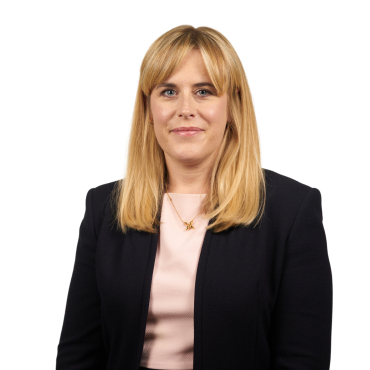
Nichola Bright
Partner and Head of Family
Nichola has over 16 years of experience acting as a Family solicitor. Nichola has specialist expertise in divorce and high net-worth financial settlements, separation, co-habitation, pre-nuptial agreements, complex disputes regarding children, fertility law and surrogacy law.
About Nichola Bright