


Climate change is no longer a ‘distant concern’. It is on our doorstep and is impacting the residential property industry.
Following our review of the recent Law Society’s Practice and Technical Note on Climate Change, our Residential Property Solicitors have set out below some matters of particular concern and outlined a non-exhaustive list of key risks to consider when purchasing a property in today’s climate.
Flood Risk
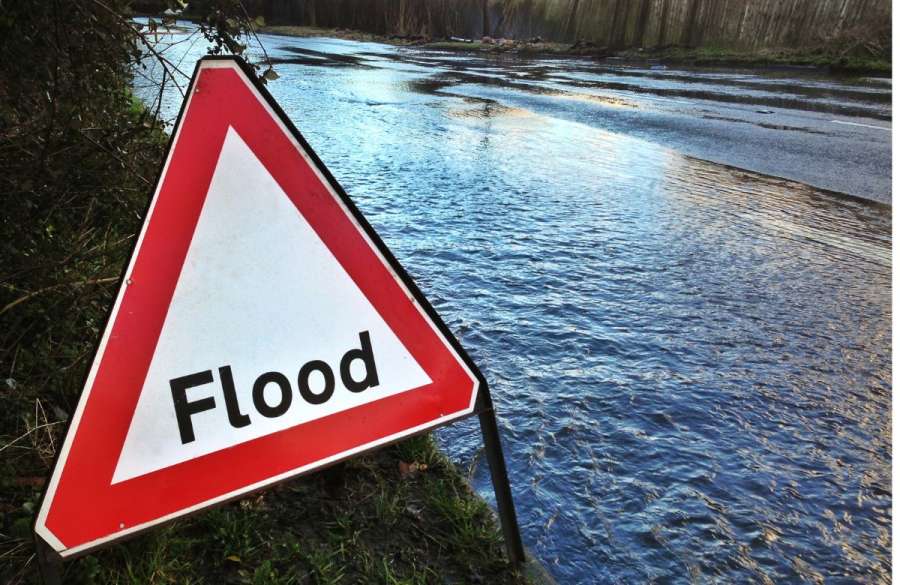
According to the UK government’s national assessment of flood and coastal erosion risk, 6.3 million homes and businesses in England are at risk of flooding.
In addition, figures from UK Climate Projections 2018 reveal that this number could increase to approximately 8 million properties by mid-century.
Sadly, we can see the above statistics unfolding in the real world.
In June 2025, parts of Kent experienced catastrophic flash flooding following an intense overnight thunderstorm.
Whilst Kent is not typically known as being an area of ‘significant flood risk’, this case study serves as a stark reminder of how weather patterns are changing, and climate change risks are escalating across the country.
As a purchaser, it is prudent to review the flooding section of your environmental report in detail and take precautionary steps if your property is in a flood-prone or low-lying coastal area.
It is wise to ask the seller further questions, including flooding history, damage and repairs, prevention measures, and insurance, in addition to the replies the seller has given in the Property Information Form, which is usually provided on a typical sale transaction.
Ground Stability
According to BGS GeoClimate data, 10% of UK properties are expected to face subsidence issues by 2070. Therefore, it is imperative to conduct your own due diligence checks and instruct a specialist to inspect your property if you have any concerns.
Moreover, heat stress is an emerging risk. As we experience prolonged heatwaves and higher temperatures, this is altering how we live and are adapting our homes.
This includes potential changes to the foundations, building materials, insulation, ventilation, and air conditioning.

Water Stress and Drought
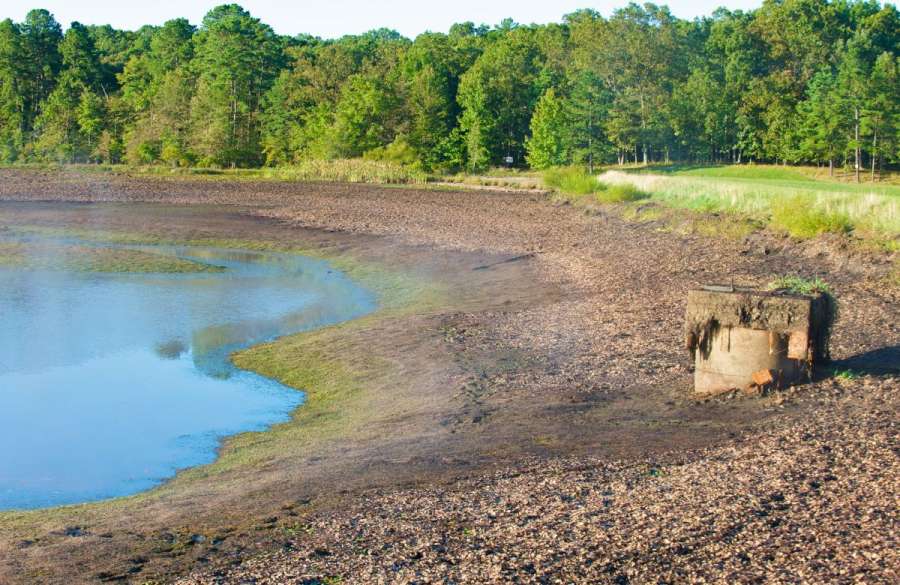
Once typically associated with temperate climates, the UK is now vulnerable to multi-season, longer duration, hydrological droughts.
These droughts have likely been aggravated by rising summer temperatures in the UK, a trend attributed to the effects of climate change. Provisional Met Office statistics confirm that summer 2025 is officially the warmest summer on record for the UK.
As a result, all five of the warmest British summers on record have occurred since 2000, helping to explain the UK’s growing vulnerability to droughts. A 2023 report by Kingfisher has identified seven regions in England facing severe water stress by 2030:
- The South (expected to be the worst affected)
- The East Midlands
- The West Midlands
- London
- The East
- The South-East
- Parts of the South-West
In light of the above, it is wise to review your drainage report carefully and consider the impact of depleted public water supplies.
Sea Level Rise
Whilst it might be your dream to own a home by the sea, it is fundamental to consider the long-term risks of doing so.
From an environmental perspective, sea levels are rising by 3mm per year.
This is contributing to severe coastal flooding, which is damaging homes and livelihoods.
Therefore, it is important to conduct your own research on your chosen coastal area and ensure that there are effective flood defences and emergency responses in place.

Energy Performance Certificates (EPC)
One method of assessing the level of risk associated with a property involves consideration of the Minimum Energy Efficiency Standards (MEES). T
hese regulations, applicable in England and Wales, require private landlords to ensure that their rental properties have an Energy Performance Certificate (EPC) rating of at least “E” before letting or renewing a tenancy.
However, these regulations are set to tighten in 2026. From 2026, all new tenancies must have a minimum EPC rating of C or above. For existing tenancies, the deadline for this is expected to be 2028.
Failure to comply may result in financial penalties and restrictions on letting the property, making compliance a key consideration for property owners.
An EPC provides an assessment of a property’s energy efficiency. It includes information on a property’s energy use, typical energy costs, and steps to improve a property’s energy efficiency to help reduce costs. An EPC gives a property an energy efficiency rating from A to G and is valid for 10 years.
Household appliances and “white goods”, such as refrigerators, will also be provided with a similar energy rating using the same scale of A to G.
These energy rating labels include the product’s energy efficiency rating alongside product-specific data.
These labels are important to consider when purchasing your household appliances, as choosing an energy-efficient model not only supports environmental sustainability but can also lead to savings on energy bills over time.

The Myerson Approach to Climate Change Risks
As a firm we are:
- Committed to reducing our Scope 1 and 2 emissions by 34% by 2027 from a baseline year of 2022.
- Committed to using 100% renewable energy by 2025 and to becoming a carbon neutral business by 2030.
- Working to reduce energy usage as far as possible, and we are working with our suppliers to reduce the carbon footprint across our supply chain.
- Committed to recycling the majority of our office waste, including creating our own compost from our food waste and working with our waste disposal partners to ensure our waste is recycled or disposed of appropriately.
For our clients:
We recommend that on every purchase, a detailed environmental report is obtained that will include an assessment of flood and subsidence risk alongside a Climate Change and impact assessment. We will then raise any concerns with you immediately.

Contact Our Residential Property Team
At Myerson, our Residential Property Solicitors will guide you through the evolving landscape and highlight any potential environmental liabilities at the earliest opportunity.
Whilst climate change does not differentiate between property types, our legal advice does. We will help you to consider any ‘risks’ and ensure we refer you for specialist advice if the risk is higher than usual.
0161 941 4000
Latest Myerson Residential Property News

Myerson Magazine Autumn 2026 Issue
Welcome to the latest edition of Myerson Magazine, where we share practical legal advice, expert insights and news from across Myerson Solicitors. In this issue, we cover some of the important legal considerations that arise at different stages of life, from protecting family wealth and planning for the next generation to understanding your...
Read Newsletter
Myerson lands double shortlist at the Modern Law Conveyancing Awards
We’re delighted to have been shortlisted for two awards at The LEAP Modern Law Conveyancing Awards 2026 , recognising the work of our Commercial Property team and our commitment to excellent client care. Our Commercial Property team is in the running for Commercial Property Team of the Year , while Myerson has also been shortlisted for the Client...
Read News
Myerson Announces Six Partner Promotions as Firm Continues Organic Growth into the New Financial Year
Myerson Solicitors is pleased to announce six promotions to Partner as part of a record year of career progression, with 13 promotions across the business in 2026. These appointments follow the recent announcement that Richard Lloyd has succeeded Carl Newton as Chief Executive, marking a new chapter for the firm as it continues its ambitious...
Read News
How To Finance and Refinance a Buy-To-Let Portfolio
Whether you are buying your first buy-to-let property or growing an established portfolio, financing and refinancing decisions can play a major role in achieving your long-term investment goals. Specialist legal advice is key to ensuring the process runs smoothly and your transaction completes efficiently. Our Residential Property Solicitors...
Read Blog
Annual Property Update 2026
The property landscape continues to evolve, with legislative reform, recent case law and changing market conditions creating important considerations for property owners, investors, landlords and professionals across the sector. In this webinar, Myerson’s property specialists discuss the latest legal and market developments affecting commercial...
Watch Webinar
What Could Andy Burnham’s Leadership Mean for the Property Sector?
Following the appointment of Andy Burnham as Prime Minister on 20 th July 2026, property professionals have urged the new government to reform the conveyancing process. However, the key question is… How likely is meaningful change under Burnham’s leadership? Our Residential Property lawyers explore.
Read Blog
Louis Pointon
Solicitor Apprentice
Louis joined Myerson Solicitors in 2023 as a Solicitor Apprentice after completing his studies at Sir John Deane’s Sixth Form College in Northwich.
Currently, Louis is undertaking a seat in the Employment Department.
During the 6-year apprenticeship course, Louis will progress through all of our legal and non-legal departments, whilst studying part-time with BPP Law School before qualifying as a solicitor in 2029.
About Louis Pointon