

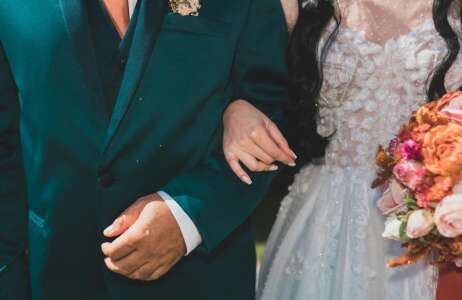
The law governing weddings in England and Wales has remained largely rooted in legislation dating back to the nineteenth century.
However, significant reforms may now be on the horizon. In July 2026, the government launched its consultation “Tying the Knot: Reforming Weddings Law in England and Wales”, proposing the most substantial overhaul of wedding law in generations.
The consultation closes on 24 September 2026 and seeks views on how a more modern, flexible and inclusive framework should operate in practice.
Our family lawyers regularly explore these issues with couples, helping them understand whether their marriage is legally recognised and what their marital status may mean for their financial rights, family arrangements and future planning.
The Consultation
The government’s proposals are based on recommendations made by the Law Commission and aim to modernise how weddings are regulated in England and Wales.
The key changes include moving away from a system that focuses on the building where a wedding takes place and instead regulating the officiant conducting the ceremony.
This would give couples greater freedom over where and how they marry, potentially allowing weddings in a wider range of locations.
The proposals would also enable non-religious belief organisations to conduct legally recognised weddings.

Why does the legal status of your marriage matter?
For many couples, their wedding day is primarily about celebrating their commitment to one another.
However, marriage is not only a personal and emotional milestone.
It is also a legal status that carries significant rights, responsibilities and protections.
A legally recognised marriage can have significant implications for:
- Financial claims on separation
- Pension rights
- Tax treatment
- Inheritance rights
The legal protections available to married couples can be particularly important during major life events such as the birth of children, relationship breakdown, serious illness or bereavement.
Many couples assume that because they have participated in a religious or cultural ceremony automatically means they are legally married.
Unfortunately, that is not always the case.
What happens if your marriage isn’t legally recognised?
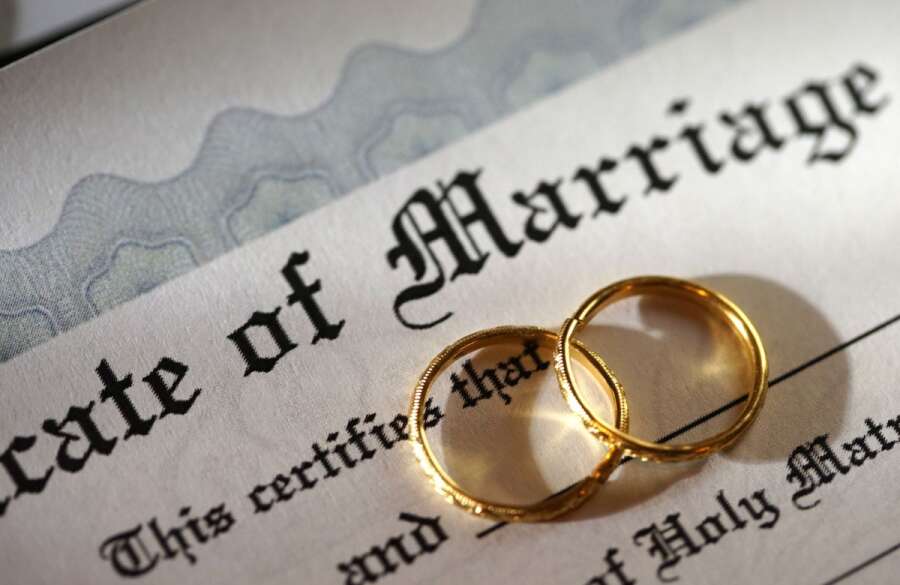
Where a ceremony does not comply with the legal requirements for marriage in England and Wales, the parties may find that they are not legally married at all, despite believing otherwise and the consequences of this can be significant.
If a relationship breaks down, a person who believed they were married may discover that they cannot pursue the financial remedies normally available on divorce.
Instead, disputes may need to be resolved through general property or trust law, which can lead to uncertainty, increased legal costs and potentially unfair outcomes.
The Law Commission highlighted concerns that some couples only discover that their marriage lacks legal recognition when the relationship ends or following the death of a partner.
One of the key aims of reform is therefore to create a clear and more accessible system that reduces the risk of couples unintentionally entering ceremonies that do not result in a valid legal marriage.
Marriage, inheritance and estate planning
Legal marital status can become particularly important following the death of a spouse or a partner.
Under the law of England and Wales, spouses benefit from significant inheritance protections.
Where a person dies without leaving a valid will, the intestacy rules determine who inherits their estate.
A surviving spouse may have substantial rights under these rules, whereas an unmarried partner may receive nothing, regardless of the length of the relationship.
Marriage can also affect entitlement to:
- Bereavement benefits
- Pension death benefits
- Claims under inheritance legislation
- Certain tax exemptions and reliefs
From an estate-planning perspective, marriage is also relevant to inheritance tax.
Transfers between spouses are generally exempt from inheritance tax, and married couples can often take advantage of additional tax allowances that are not available to unmarried couples.
For these reasons, ensuring a marriage is legally recognised can be an important part of wider financial and estate planning.
Religious and belief ceremonies
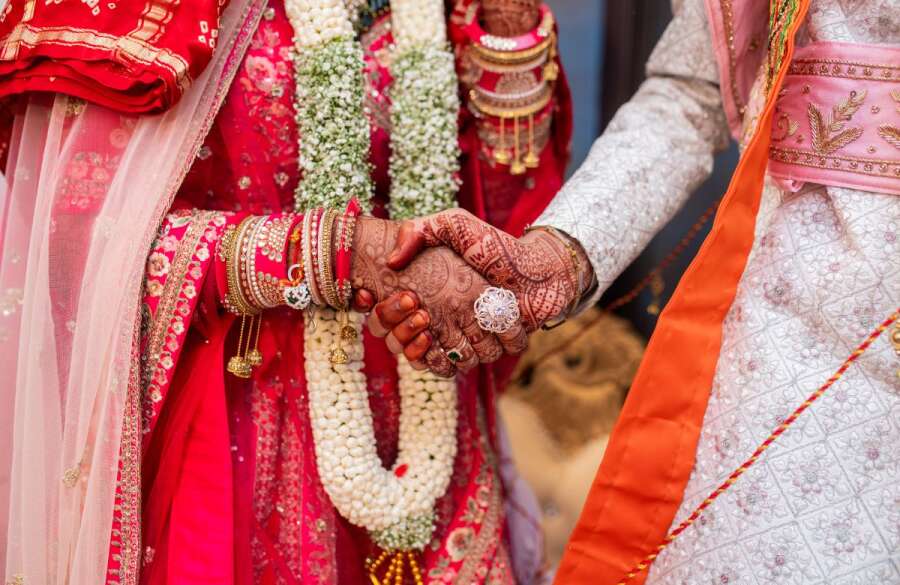
One of the most significant aspects of the proposed reforms is the recognition of a broader range of beliefs and traditions.
The current framework treats different groups differently.
While certain religious organisations benefit from their own legal arrangements, non-religious belief organisations, such as Humanists, cannot currently conduct legally binding weddings in England and Wales.
As a result, many couples must have a separate civil ceremony in addition to their chosen belief based celebration.
The proposed reforms seek to establish a more consistent approach, with common rules applying across different types of ceremonies.
If implemented, authorised officiants from recognised non-religious belief organisations could conduct legally binding weddings, allowing couples to celebrate their commitment in a way that more closely reflects their values and beliefs.
The proposals are also intended to provide greater flexibility regarding wedding locations, enabling ceremonies to take place in venues and settings that are personally meaningful to couples rather than being restricted by the current venue-based system.
What happens now?
Following the consultation process, the government will consider responses before deciding how to proceed with legislation.
If enacted, the reforms could represent the most significant modernisation of weddings law in England and Wales for many decades.
For couples, the changes may offer greater freedom, flexibility and inclusivity when it comes to their wedding day.
Just as importantly, they may help ensure that more couples obtain the legal protections that marriage is intended to provide.
Whilst the proposed reforms are welcome they also serve as a timely reminder that the legal status of a marriage matters.
Couples planning a religious, cultural or bespoke ceremony should always seek advice to ensure that their marriage will be legally recognised and that they understand the wider implications for their finances, family arrangements and estate planning.
Until the law changes, couples should ensure that their ceremony meets the existing requirements for a legally recognised marriage.
Where there is uncertainty, obtaining advice now can avoid potentially significant consequences later.
Need advice about the legal status of your marriage?
Our family lawyers can help you understand whether your marriage is legally recognised and what this may mean for your financial and family arrangements.
If you are planning a religious, cultural or bespoke ceremony, or have concerns about an existing marriage, speak to our team for clear, practical advice.
0161 941 4000
Latest Myerson Family Law News

11
From Conflict to Collaboration with Marcie Shaoul
How can professionals better support separated parents to move away from conflict and towards a more constructive co-parenting relationship? The Myerson Family Law team is delighted to welcome Marcie Shaoul , founder of The Co-Parenting Method and one of the UK’s leading voices on constructive co-parenting following separation, for an engaging...
View Event
Do Grandparents Have Rights to See Their Grandchildren?
Grandparents often play a significant role in a child's life, providing emotional support and stability and, in some cases, being the child's primary caregiver. Official statistics published by the Office for National Statistics in 2021, together with more recent estimates from the Family Rights Group , suggest that around 160,000 children in...
Read Blog
Wedding Law Reform: Why the Proposed Changes Matter for Couples
The law governing weddings in England and Wales has remained largely rooted in legislation dating back to the nineteenth century. However, significant reforms may now be on the horizon. In July 2026, the government launched its consultation “ Tying the Knot: Reforming Weddings Law in England and Wales ”, proposing the most substantial overhaul...
Read Blog
The Remarriage Trap: What Every Divorced Person Should Know Before Saying “I Do” Again
For many, a second marriage is a true new beginning, a chance to improve with hindsight. Second marriages are far from uncommon. According to the Office for National Statistics (ONS) , around one in three opposite-sex marriages in England and Wales involve at least one person who has been married before. With thousands of divorced people...
Read Blog
Myerson Magazine Summer 2026 Issue
We're pleased to share the latest issue of Myerson Magazine, bringing together practical legal insights, updates on significant legislative changes and stories from across the firm. In this Summer edition, our experts explore the legal issues affecting individuals, families, business owners and property investors, from the Renters' Rights Act and...
Read Newsletter
Family Law and Neurodiversity: Improving Access to Justice
In the latest episode of My Family Pod , host Joe Ferguson , Associate Solicitor in the Family Team at Myerson , is joined by specialist Family Law Barrister Natasha Khalique of Exchange Chambers for an insightful discussion on neurodivergence in family law proceedings .
Listen to the Podcast
Katie Bartley
Solicitor
Katie joined Myerson as a Trainee Solicitor in 2024 and qualified as a Solicitor in 2026.
Prior to this, Katie graduated from the University of Liverpool in 2022 with a 2:1 in BA Politics, before studying MA Law at the University of Law in 2023 and achieving a Commendation.
About Katie Bartley