


A new year often brings new opportunities, and the UK property market is no exception.
For many people, once January arrives, house-hunting can feel like the “natural next step”.
To recap, 2025 proved rather turbulent.
The return to pre-pandemic stamp duty levels in April 2025 led to higher upfront costs for many purchasers, as tax became payable on a greater share of the purchase price.
This was followed by the Autumn Budget later in the year, which further increased uncertainty for many.
Despite this, the UK real estate market is said to have shown “remarkable resilience”, according to Savills.
This is mainly because property transaction volumes reached their highest level since 2022, instilling renewed confidence among buyers and sellers.
Mortgage rates also started to ease, and although the downward trend was gradual and rates remained higher than the pre-2022 level, this nevertheless improved affordability for many buyers.
Our Residential Property Lawyers explore the key market trends shaping the year ahead and highlight practical considerations to keep in mind when selling your home in 2026.
Looking Ahead
The market is expected to improve in 2026. Rightmove’s property team, in their 2026 house price predictions, have indicated that guide prices “will rise by 2% by the end of the year”.
It has also been anticipated that the market will “look and feel very different” depending on the type of property buyers are looking to sell or buy and which area of Great Britain they are in, with big differences particularly between the south of England and the rest of Great Britain.
Current analysis also suggests that market conditions may be more favourable to first-time buyers compared to those at the top end of the market.
These predictions promise a positive market trajectory and suggest that 2026 could be a good year for individuals to make their move.
As a result, we have prepared a non-exhaustive list of factors below to consider when selling your home:

Documentation Readiness
Sellers should ensure that all relevant documentation is available at an early stage to prevent delays.
This can include (but is not limited to) Land Registry title documents, guarantees and warranties, service records, planning permissions, building regulations approvals, and compliance certificates.
Gathering these types of documents and being well-prepared not only accelerates the legal process but also gives buyers confidence in the property they are purchasing.
Our What Paperwork Do I Need to Sell My Property? blog discusses the different types of documents which may be required in further detail.

Instructing Appropriate Professionals
Choosing the right estate agent is crucial as this can undoubtedly influence the success of your sale.
An experienced agent will demonstrate strong local market knowledge, use effective marketing, and possess powerful negotiation skills, whilst also keeping you informed at every stage of the process.
It is equally important to instruct an experienced solicitor.
Every property is different, and an experienced legal professional, particularly one who is knowledgeable about both freehold and leasehold transactions, will carefully review documentation and advise you on any issues or encumbrances that could affect the sale or your future use of the property.
They will also work closely with your estate agent to address any issues promptly and keep the transaction progressing smoothly.
At Myerson, we will handle the residential conveyancing process efficiently, and you will have full peace of mind knowing that an expert is handling your purchase and acting in your best interests at all times.

Being Realistic
Whilst it can typically take around 8 to 12 weeks to complete a standard freehold sale or purchase transaction, it may take longer due to external factors, such as mortgage delays, large property chains and complex legal enquiries.
It is important that you set realistic timeframes and adopt a pragmatic mindset, remaining mindful of the requirements that must be fulfilled before completing the transaction.
This will help reduce stress and avoid any disappointment later on.

Preparing the Property
The physical presentation of your property is crucial in attracting buyers.
To create a good first impression, simple steps such as decluttering, painting, or minor repairs can enhance your property and showcase a well-presented home to potential buyers.
Not only will this significantly improve buyer perception and interest, but it will also help attract higher offers.

Contact Our Residential Property Team
If you are ready to sell your home and require professional legal advice, our Residential Property Lawyers would be happy to assist you.
0161 941 4000
Latest Myerson Residential Property News

Myerson Magazine Autumn 2026 Issue
Welcome to the latest edition of Myerson Magazine, where we share practical legal advice, expert insights and news from across Myerson Solicitors. In this issue, we cover some of the important legal considerations that arise at different stages of life, from protecting family wealth and planning for the next generation to understanding your...
Read Newsletter
Myerson lands double shortlist at the Modern Law Conveyancing Awards
We’re delighted to have been shortlisted for two awards at The LEAP Modern Law Conveyancing Awards 2026 , recognising the work of our Commercial Property team and our commitment to excellent client care. Our Commercial Property team is in the running for Commercial Property Team of the Year , while Myerson has also been shortlisted for the Client...
Read News
Myerson Announces Six Partner Promotions as Firm Continues Organic Growth into the New Financial Year
Myerson Solicitors is pleased to announce six promotions to Partner as part of a record year of career progression, with 13 promotions across the business in 2026. These appointments follow the recent announcement that Richard Lloyd has succeeded Carl Newton as Chief Executive, marking a new chapter for the firm as it continues its ambitious...
Read News
How To Finance and Refinance a Buy-To-Let Portfolio
Whether you are buying your first buy-to-let property or growing an established portfolio, financing and refinancing decisions can play a major role in achieving your long-term investment goals. Specialist legal advice is key to ensuring the process runs smoothly and your transaction completes efficiently. Our Residential Property Solicitors...
Read Blog
Annual Property Update 2026
The property landscape continues to evolve, with legislative reform, recent case law and changing market conditions creating important considerations for property owners, investors, landlords and professionals across the sector. In this webinar, Myerson’s property specialists discuss the latest legal and market developments affecting commercial...
Watch Webinar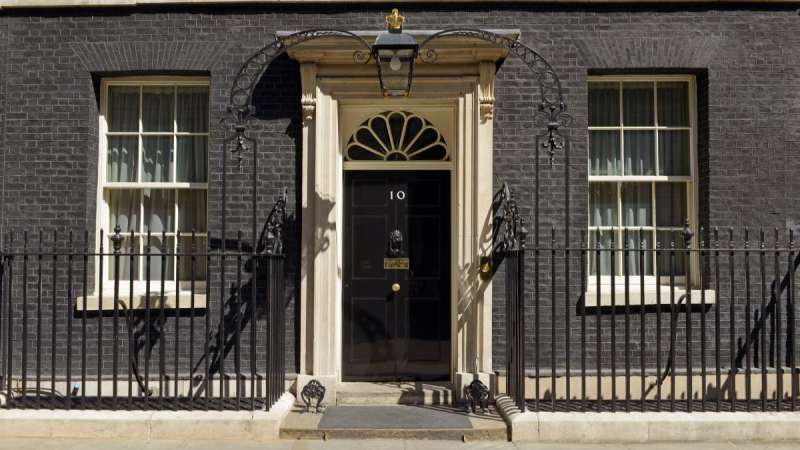
What Could Andy Burnham’s Leadership Mean for the Property Sector?
Following the appointment of Andy Burnham as Prime Minister on 20 th July 2026, property professionals have urged the new government to reform the conveyancing process. However, the key question is… How likely is meaningful change under Burnham’s leadership? Our Residential Property lawyers explore.
Read Blog
Jessica Thwaites
Solicitor
Jessica joined Myerson in September 2023 as a Trainee Solicitor and qualified in 2025.
Jessica studied Law at the University of Leeds and spent a year at the University of Waterloo in Canada before graduating in 2018 with a 2:1.
Following this, Jessica worked as a Paralegal and studied the Legal Practice Course and Masters of Law part time in 2021 at the University of Law in Manchester, achieving a Distinction.
About Jessica Thwaites