


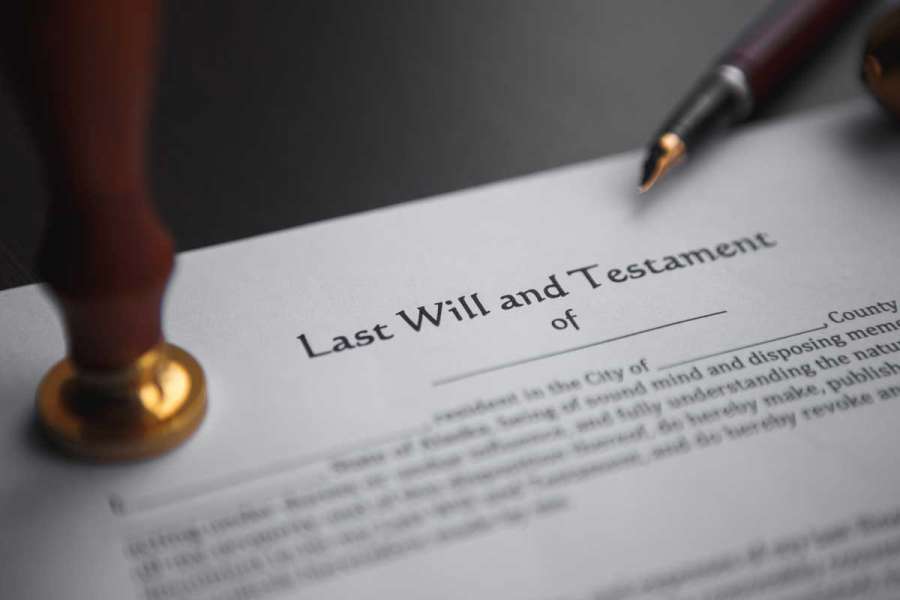
Did you know that the primary law governing Wills in England and Wales has been in place since 1837? Despite huge social and technological changes over nearly two centuries, the Wills Act 1837 still sets the framework for how we make a Will today.
In this article, our specialist WillsLawyers explore the proposed reforms to the Wills Act, what they could mean for you, and why reviewing your Will regularly is essential.
The Current Law on Making a Will
Under the present law, you must be at least 18 years old (originally 21 when the Act was passed) to make a valid Will.
A Will must also:
- Be in writing.
- Be signed by the Testator (the person making the Will).
- Be witnessed by two independent people.
These rules, while clear, have not kept pace with modern life and the growing use of digital platforms.

How Covid-19 Changed the Conversation
The Covid-19 pandemic in 2019 exposed significant challenges in following the 1837 rules. With lockdowns and social distancing, many people struggled to sign and witness their Wills in the traditional way.
As a temporary solution, the law was amended to allow remote witnessing via video conferencing, sparking debate on whether the law should be modernised for the digital age.

Proposed Changes to Wills Law
The Law Commission has now recommended a number of reforms that could reshape the way Wills are created and challenged.
These include:
- Electronic Wills and remote signatures – provided a secure, “reliable” system is used to confirm identity, protect the original document, and prevent tampering.
- Relaxed formalities – giving courts a new dispensing power to uphold a Will that may not comply with technical requirements but clearly reflects the Testator’s intentions.
- Lowering the age requirement – reducing the age for making a Will from 18 to 16. (In Scotland, the minimum age is already just 12.)
- Marriage and civil partnerships – removing the rule that marriage or civil partnership automatically cancels a Will. This aims to prevent “predatory marriages,” though spouses or partners could still claim under the Inheritance (Provision for Family and Dependants) Act 1975.
- Capacity to make a Will – aligning the current test (from Banks v Goodfellow, 1870) with the Mental Capacity Act 2005.
- Gifts to witnesses – courts could have the discretion to validate gifts left to witnesses or their cohabitants, where it is fair to do so.
- Expanded rectification powers – courts could be allowed to correct Wills that fail to reflect the Testator’s true wishes, even beyond clerical mistakes.
When Will These Changes Take Effect?
The Law Commission published its final report on 16 May 2025.
The Government is expected to give an interim response within six months and a full response within 12 months. If accepted, the reforms could be enacted by May 2026.

Do You Need to Update Your Will Now?
Even though reforms are still pending, it is important to review your Will regularly.
Family circumstances, finances, and tax laws change over time, which means your Will could become outdated.
Ensuring your Will reflects your current wishes is a vital part of inheritance planning and gives you peace of mind that your estate will be distributed as intended.
Contact Our Specialist Wills Lawyers
At Myerson Solicitors, our specialist wills and probate lawyers in Manchester can advise you on reviewing or updating your Will, ensuring it is legally valid and tax-efficient.
0161 941 4000
Latest Myerson Wills, Trusts, and Probate News

Do You Need to Make a Will When You Have a Baby?
The arrival of a new baby into your family is a significant milestone that gives rise to with new responsibilities and considerations. You are responsible for caring for and raising your child as they grow and develop each day. Whilst it can be difficult to think about, you should also ensure that you have made appropriate arrangements for your...
Read Blog
Myerson Solicitors Celebrates Double Win At British Wills and Probate Awards 2026
We are delighted to announce that we have secured two national accolades at the British Wills and Probate Awards 2026 , recognising the strength and expertise of our Private Client team. As a Top 200 UK law firm, we were proud to take home two prestigious awards at the national ceremony held on Thursday, 8th October: Probate Provider of the Year...
Read News
Solicitor Closed Down? What Happens to Your Will and How to Find It
Has the firm that drafted your Will closed down? Don’t panic! There are still ways to locate and obtain your Will. Our Wills Lawyers explain what may happen to your Will and other original documents in this situation.
Read Blog
4
Planning for the Future: Succession in Farming and Rural Businesses
Practical succession planning for farming families, covering business structures, Wills, trusts, land and protecting the future of the farm. Succession in farming is about much more than passing on land. It involves protecting the future of the family, the farming business and the assets that have often been built up over generations.
View Event
Cohabiting Couples and Inheritance: Could the Intestacy Rules Be About to Change?
The Ministry of Justice has opened a public consultation, ‘ A Fairer End to Relationships ’ , which aims to strengthen the legal rights of cohabitees within the England and Wales. Cohabiting couple families in England and Wales now account for 17.6% of all families , yet the current law still treats married and unmarried couples very differently...
Read Blog
Myerson Magazine Summer 2026 Issue
We're pleased to share the latest issue of Myerson Magazine, bringing together practical legal insights, updates on significant legislative changes and stories from across the firm. In this Summer edition, our experts explore the legal issues affecting individuals, families, business owners and property investors, from the Renters' Rights Act and...
Read Newsletter
Bik-ki Wong
Partner and Head of our Wills, Trusts, and Probate
Bik-ki has over 20 years of experience acting as a Wills, Trusts, and Probate solicitor. Bik-ki is an expert in dealing with high net-worth individuals as well as those who have more complicated circumstances or those with mental capacity issues.
About Bik-ki Wong