


Dealing with the death of a loved one is an emotional and daunting experience, and this can be exacerbated if you are responsible for dealing with their affairs and potentially applying for probate.
This is a process which many people experience for the first time during a challenging period in their lives.
Our Wills, Trusts and Probate Lawyers answer some common questions we receive from our clients and clarify various misconceptions about the probate process to help make matters a little easier.
What is probate?
Probate is the formal authority given by the Probate Registry to a person dealing with the estate of someone who has died.
Probate is a collective term covering a ‘Grant of Probate’, a ‘Grant of Letters of Administration’ and a ‘Grant of Letters of Administration with Will Annexed’.
Which of these types of probate needs to be applied for depends on such things as whether the deceased left a Will and whether the executors named in the Will are making the application themselves.
Do I still need to apply for probate even if there is a Will?
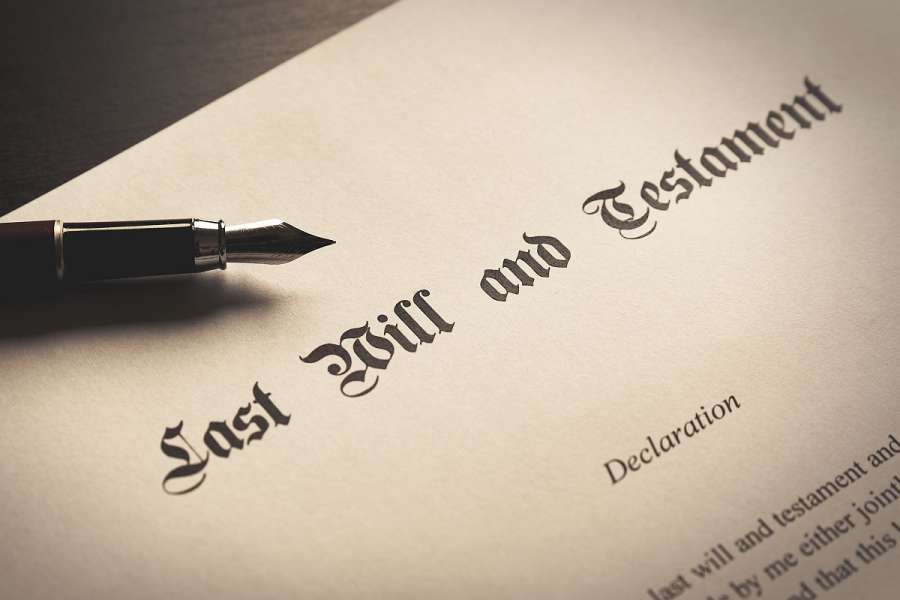
Yes, a probate application is often required even if the deceased left a Will.
Whether or not probate is required is more dependent on the type and value of the assets involved in the estate, rather than whether there is a Will.
For example, probate is almost always required if the deceased owned a property, and some banks may refuse to pay out monies from a deceased’s accounts if they hold funds above a certain threshold (e.g. £30,000, but this will vary from bank to bank).
How long does probate take?
Before an application for probate is made, there is an information-gathering stage in which all the estate's assets and liabilities must be ascertained.
Once this has been done, any inheritance tax must be paid to HMRC before the probate application can be made.
Once the Probate Registry receives the application, it aims to issue probate within 12 weeks.
This timescale may be faster in more straightforward cases (e.g., where the executors of a Will are making an online application) and slower in others (e.g., where a postal application is required).

What is the difference between executors, trustees and administrators?
The terms ‘executors’ and ‘trustees’ are often used interchangeably and can become confused with each other.
Indeed, a person can appoint the same people to fulfil the roles of executors and trustees in their Will.
When a person dies, leaving a Will, their executors will be tasked with dealing with the practicalities of administering the estate.
Amongst other things, the executors will need to collect in the assets, pay any debts, make sure any property is both insured and secured, and make the probate application.
Once the estate is collected in and fully accounted for, the responsibility passes to the trustees.
The trustees will need to hold the remaining ‘pot’ of monies/assets for the beneficiaries named in the Will.
This may only be for a very short period of time if the deceased makes outright gifts in their Will, or it may cover a longer period if, for example, the deceased included a trust in their Will.
Administrators are the people who deal with a person’s estate if they die without a Will, or if the executors of the Will are not willing or able to administer the estate themselves.
Unlike executors, who can point to the terms of a deceased’s Will to show that they are authorised to act in that capacity, administrators must wait until they have applied for and been granted probate before they fully take on their role.

Will I inherit the debts of a person who has died?
The short answer is no.
If a person dies owing debts, those debts will be paid out of the person’s estate.
The executors or administrators will be responsible for arranging the payment of debts from the deceased’s estate. Still, neither they nor the deceased's family will take on the debts in a personal capacity.
Exceptions to this include if someone took out a joint loan with the deceased or provided a guarantee to repay any debts owed by the deceased.

Do all a person’s assets need to go through probate?
No, they do not.
Even if probate is required to handle certain assets, this does not mean that all a person’s assets need to wait for probate before they can be dealt with.
For example, the deceased’s personal belongings, such as their car, can be sold or transferred into another person’s name before probate is granted.
Also, any assets the deceased owned in joint names with another person will pass to the surviving joint owner, provided that the ownership is as ‘joint tenants’ rather than ‘tenants in common’.
You should take legal advice before dealing with any joint assets if you are unsure of the ownership.
Life policies may also be paid out independently, as well as pensions (until April 2027, following the proposed changes in the Autumn 2024 Budget).

Contact Our Probate Lawyers
If you need further assistance with administering an estate, please contact our specialist STEP-qualified Wills, Trusts and Probate team on:
0161 941 4000
Latest Myerson Wills, Trusts, and Probate News

Do You Need to Make a Will When You Have a Baby?
The arrival of a new baby into your family is a significant milestone that gives rise to with new responsibilities and considerations. You are responsible for caring for and raising your child as they grow and develop each day. Whilst it can be difficult to think about, you should also ensure that you have made appropriate arrangements for your...
Read Blog
Myerson Solicitors Celebrates Double Win At British Wills and Probate Awards 2026
We are delighted to announce that we have secured two national accolades at the British Wills and Probate Awards 2026 , recognising the strength and expertise of our Private Client team. As a Top 200 UK law firm, we were proud to take home two prestigious awards at the national ceremony held on Thursday, 8th October: Probate Provider of the Year...
Read News
Solicitor Closed Down? What Happens to Your Will and How to Find It
Has the firm that drafted your Will closed down? Don’t panic! There are still ways to locate and obtain your Will. Our Wills Lawyers explain what may happen to your Will and other original documents in this situation.
Read Blog
4
Planning for the Future: Succession in Farming and Rural Businesses
Practical succession planning for farming families, covering business structures, Wills, trusts, land and protecting the future of the farm. Succession in farming is about much more than passing on land. It involves protecting the future of the family, the farming business and the assets that have often been built up over generations.
View Event
Cohabiting Couples and Inheritance: Could the Intestacy Rules Be About to Change?
The Ministry of Justice has opened a public consultation, ‘ A Fairer End to Relationships ’ , which aims to strengthen the legal rights of cohabitees within the England and Wales. Cohabiting couple families in England and Wales now account for 17.6% of all families , yet the current law still treats married and unmarried couples very differently...
Read Blog
Myerson Magazine Summer 2026 Issue
We're pleased to share the latest issue of Myerson Magazine, bringing together practical legal insights, updates on significant legislative changes and stories from across the firm. In this Summer edition, our experts explore the legal issues affecting individuals, families, business owners and property investors, from the Renters' Rights Act and...
Read Newsletter
Darren Christopherson-Smith
Solicitor
Darren joined Myerson in September 2025 as a Paralegal in the Wills, Trusts and Probate team and qualified as a Solicitor in November 2025.
Darren began his legal career after sitting his A-Levels, joining SAS Daniels LLP as a Legal Apprentice in August 2016. He qualified as a Paralegal in 2018 and started the Solicitor Apprenticeship in September 2019, which he completed in the summer of 2025. During the Solicitor Apprenticeship, Darren graduated from the University of Law with a First Class LLB in Legal Practice and Skills before taking the SQE.
Darren initially worked in Litigation before transferring to Private Client in January 2021. Since then, Darren has developed his knowledge and experience of various areas of Private Client law, including probate and estate administration, Wills, lasting powers of attorney, Court of Protection, and the registration of trusts on HMRC’s Trust Registration Service.
About Darren Christopherson-Smith